Which upgrades will really work for your home?
House Roadmap is an independent guide to making a UK home cheaper to run: what will work for yours, what it should cost, which grants apply and who to trust.
- Free home report
- No account
- Nobody calls unless you ask
Where should most homes start?
With the cheap fixes that stop heat escaping. Then change how the house is heated, then make your own power. In that order, each step makes the next one smaller.
Your home may skip a step: a new-build has little to insulate, a flat may have no roof for panels. The free report starts from your home's own certificate.
- Step 1
Use less heat
Controls, draughts, the loft and cavity walls. The cheapest work, and it makes every later step smaller.
- Heating controls£220–£250
- Draught proofing£150–£250
- Loft insulation£900–£1,200
- Cavity walls£900–£1,500
- Step 2
Change how you heat
When the boiler is due, a heat pump sized for the house you've already insulated.
- Heat pump£5,000–£30,000
- New condensing boiler£2,200–£3,500
- Grant off a heat pump£7,500
- Step 3
Make your own power
Solar panels, then a battery, once the house uses less and runs on electricity.
- Solar panels£8,000–£10,000
- Battery£500–£5,000
- a year
£1,723a year
What a typical home pays for gas and electricity at the price cap from 1 October 2026.
- a year less
£246a year less
What the average certificate says its home would save with every recommended measure done.
- of lofts
22%of lofts
Have no insulation or less than 100 mm, of homes with a loft.
- of cavity walls
26%of cavity walls
Are empty or only partly filled.
Prices on the steps are the EPC method's indicative ranges, the same for every home and not quotes, from certificates lodged in the year to 9 September 2026. The £7,500 grant is the Boiler Upgrade Scheme, England and Wales; Scotland has its own. Energy at the cap costs 8p a unit for gas and 26.3p for electricity. Savings and shares are from the energy certificates of England and Wales.
- EPC Register (GOV.UK)
- Office for National Statistics
- Department for Energy Security and Net Zero
- Ofgem
- Met Office
The free home report
What will the report tell me?
A page about your house rather than a typical one. Nobody calls unless you ask them to, and you don't need an account.
1
Start with your postcode
We look up what is already known about your home: its age, type, construction and current rating, from its energy certificate.
2
See what it could reach
The rating the certificate says your home could reach, and the measures that get it there, with the grants your nation offers.
3
Compare who can do it
Certified installers covering your area. Ask for quotes only if you want them.
See the report for your home
Enter your postcode, then pick your home to see its own certificate.
Every upgrade, explained
Which upgrade is right for my home?
One guide for each, answering the same questions: will it suit the house, what does it cost, what does it save, and which grant helps.
Not sure? See which to do first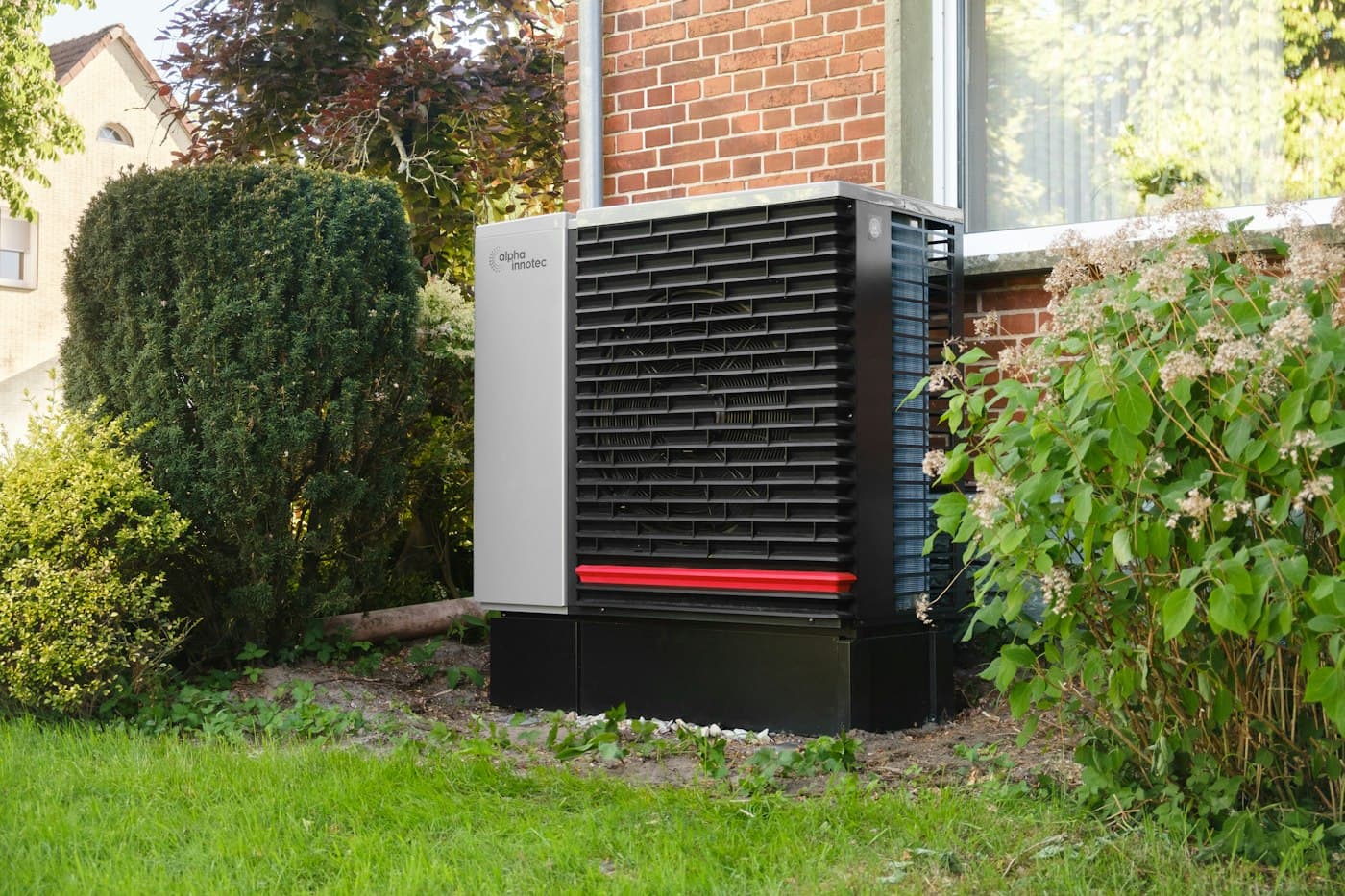 Heat pumpsWill one heat your home, and what will it really cost to run?
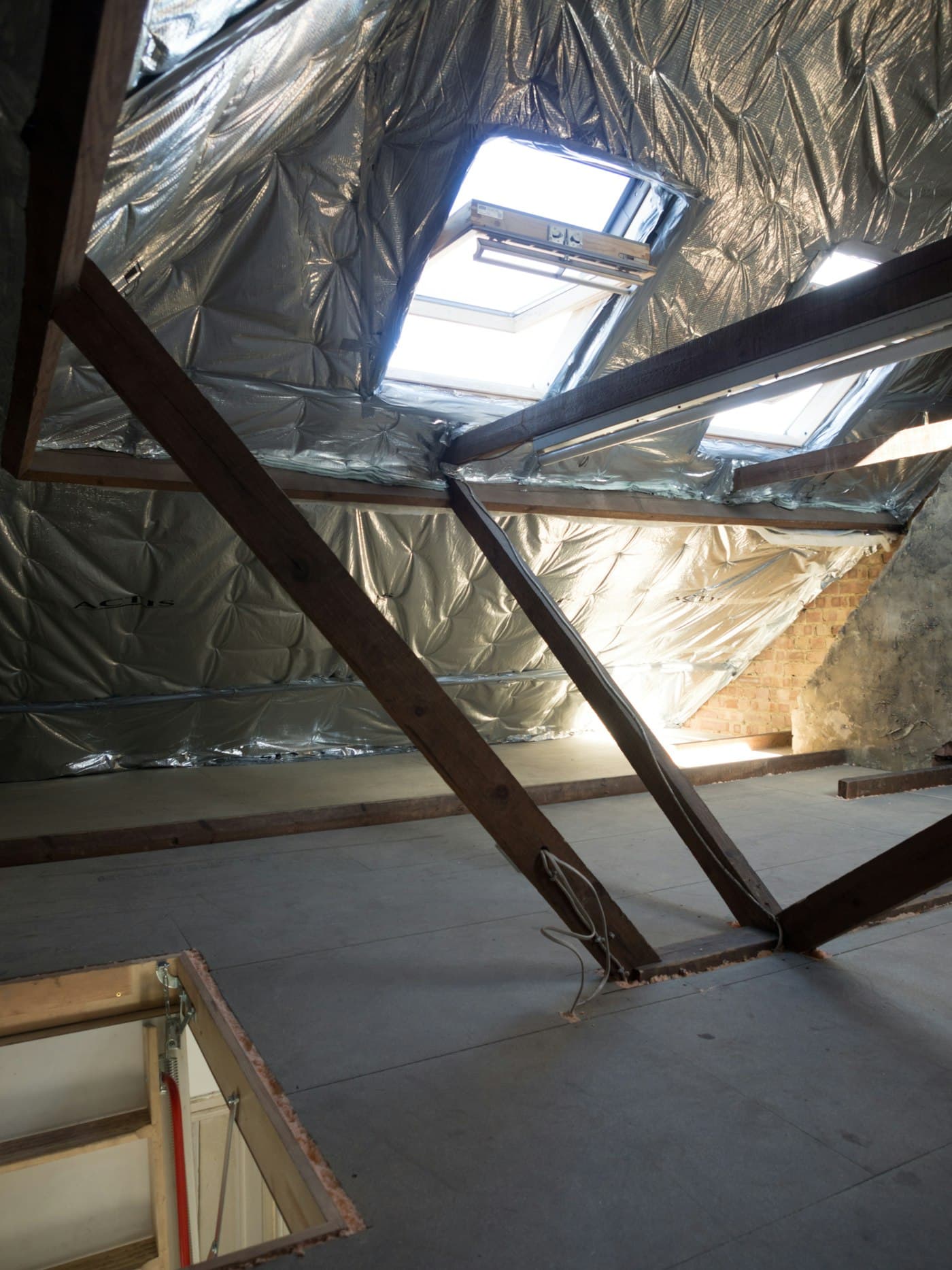 Start hereInsulationThe heat you keep is the heat you don't buy. Lofts and cavity walls are the cheapest work on most houses, and they shrink every upgrade that follows.Read the guide
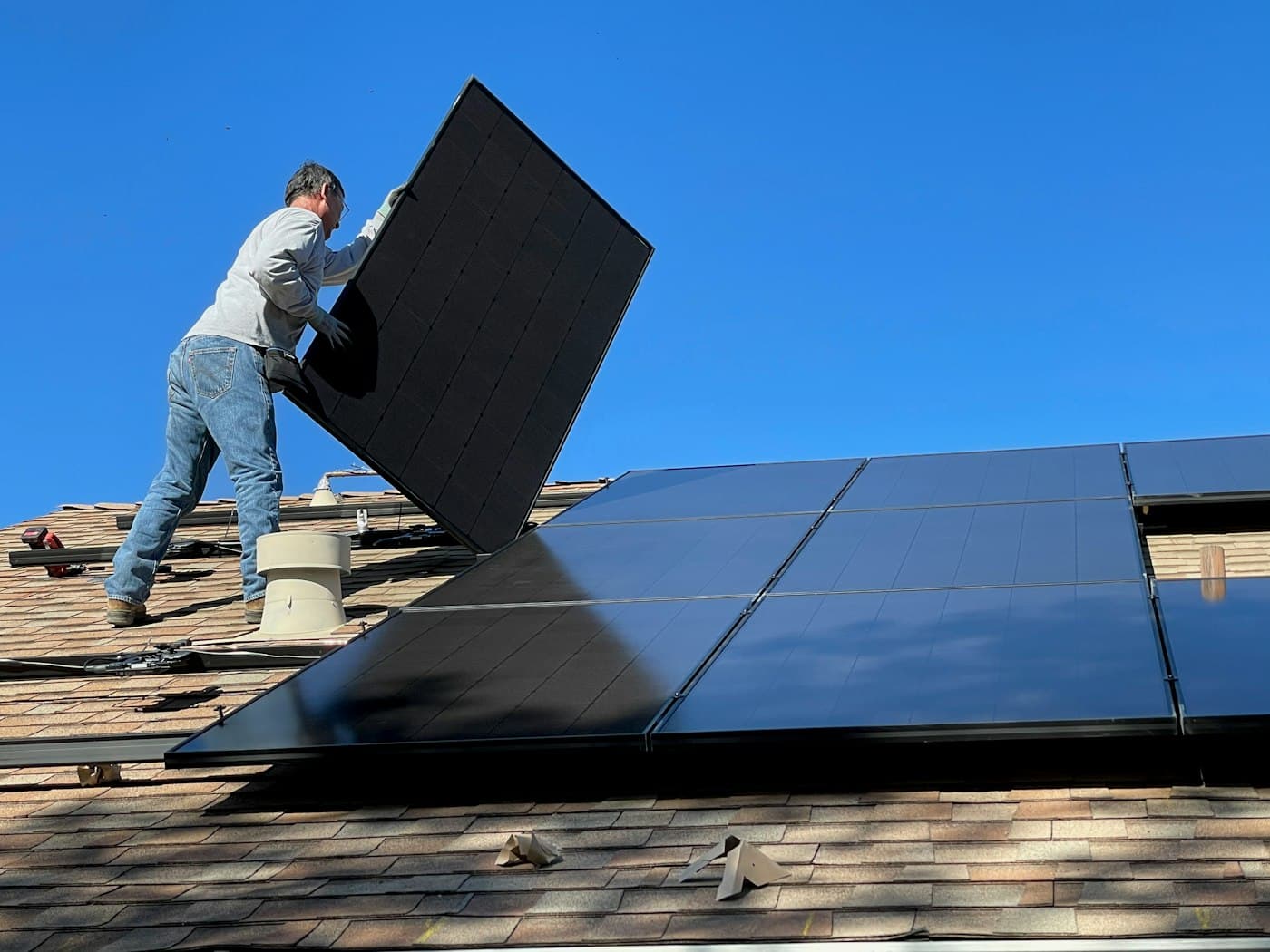 Solar panelsExpected generation and payback for your roof and region.
 Home batteriesHow much you could store, and save, on your tariff.
 BoilersReplacing an old boiler, and whether to move off gas altogether.
 Heating controlsLow-cost changes that cut bills in almost any home.
 Windows & doorsWhen new glazing is worth it, and when your money goes further elsewhere.
 EV chargersHome charging costs, installation and smart tariffs.
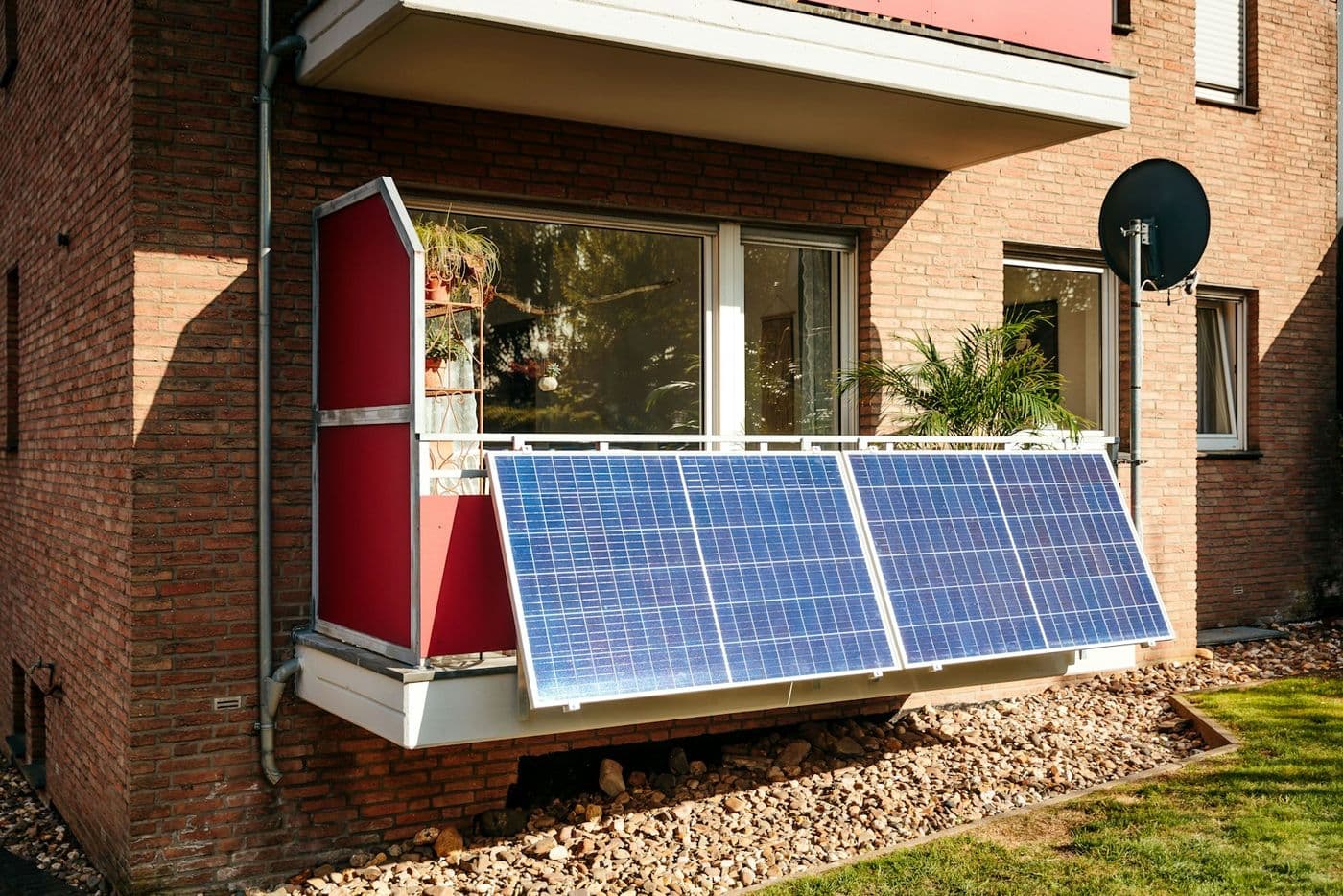 Plug-in solarNo roof of your own, or renting? A small kit on a balcony, wall or garden stand plugs into a socket. No installer needed.
Energy ratings
How does my home compare?
The typical home in England and Wales is rated C, a score of 69. Its own certificate says it could reach B.
The commonest band is D, with 37% of homes. Band C is the minimum proposed for privately rented homes, and the line most improvement plans aim for.
See your home's rating and what it could reach
- A0.4%
- B15.1%
- C33%
- D37.1%
- E11.8%
- F2.1%
- G0.6%
ONS, dwellings with an energy certificate, 2024. 20,306,185 homes with a certificate.
What the certificates recommend most
- solar panels66%of homes
- solar water heating55%of homes
- floor insulation50%of homes
- low energy lighting37%of homes
- solid wall insulation24%of homes
Grants
What grants can I get?
£7,500
off a heat pump, whatever your income, through the Boiler Upgrade Scheme in England and Wales. The installer claims it and takes it off the invoice. It has paid for 86,852 heat pumps (May 2022 to June 2026).
The rest depend on where you live, and most on income or benefits:
- Energy Company Obligation (ECO4)Great Britain, closingWhole-house, fully funded
- Great British Insulation SchemeGreat BritainOne measure, mostly funded
- Warm Homes: Local GrantEnglandUp to £30,000
- 0% VAT on energy saving materialsUK-wide, closing20% off labour and materials
- Home Energy Scotland grant and loanScotland£7,500 + £7,500 loan
- Warmer Homes ScotlandScotlandFully funded
- NestWalesFully funded
- Affordable Warmth SchemeNorthern IrelandFully funded
Costs
What should an upgrade cost?
From a couple of hundred pounds to five figures. The cheap end is where most homes should start.
- Draught proofing£150–£250
- Heating controls£220–£250
- Battery£500–£5,000
- Loft insulation£900–£1,200
- Cavity wall insulation£900–£1,500
- Condensing boiler£2,200–£3,500
- Double glazing£4,500–£6,000
- Floor insulation£5,000–£10,000
- Heat pump£5,000–£30,000
- Solid wall insulation£7,500–£11,000
- Solar panels£8,000–£10,000
The indicative range the energy certificate method gives each measure, the same for every home and not a quote, from certificates lodged in the year to 9 September 2026. Scale runs to £30,000.
Costs by upgrade and homeAnd the energy itself, at the cap
- Gas, a unit
- 8p
- Electricity, a unit
- 26.3p
Ofgem's GB average, direct debit, including VAT. Which tariff you're on changes what a heat pump or a battery is worth.
Compare tariffs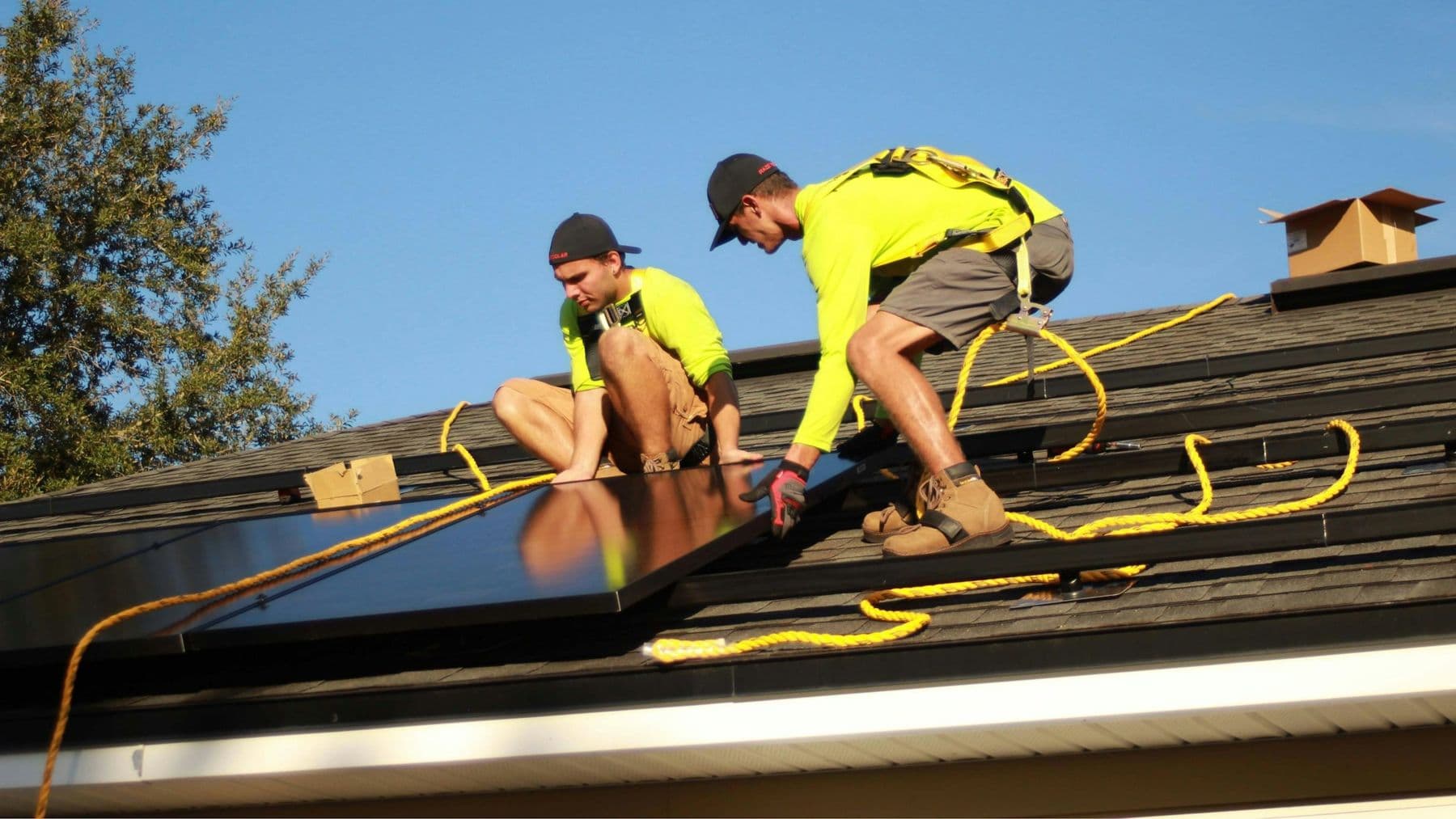
Already decided?
Get a price for your home, not a typical one
- Up to 3 installers who cover your postcode
- Free, and you don't have to go ahead
- They pay us a fee for the introduction
Why trust us
Independent, and every number has a source
- Measured, not promisedPerformance from homes that have already done the work, from public records.
- Prices with a sourceWhat the data says a job costs, or a figure labelled illustrative. Never a guess dressed as a fact.
- Nobody pays to appearNo installer buys a listing or a recommendation. We're paid a fee only when you ask us to introduce you.
Every number here comes from the public record
- EPC Register (GOV.UK)
- Office for National Statistics
- Department for Energy Security and Net Zero
- Ofgem
- Met Office
Start with your postcode
See your home's rating, what it could reach, the grants that apply and who can do the work.