0% VAT on energy saving materials: what qualifies and what doesn't
The relief nobody applies for, because it is applied for you. It is also the one most often got wrong on a quote: the zero rate covers the installation, not the shopping trip, and a handful of common measures sit outside it entirely.
Your free home report finds the council, nation and energy rating behind your postcode: the things this scheme's rules turn on.
Closing
Zero rate reverts to 5% on 1 April 2027
Run by HMRC.
The short answer
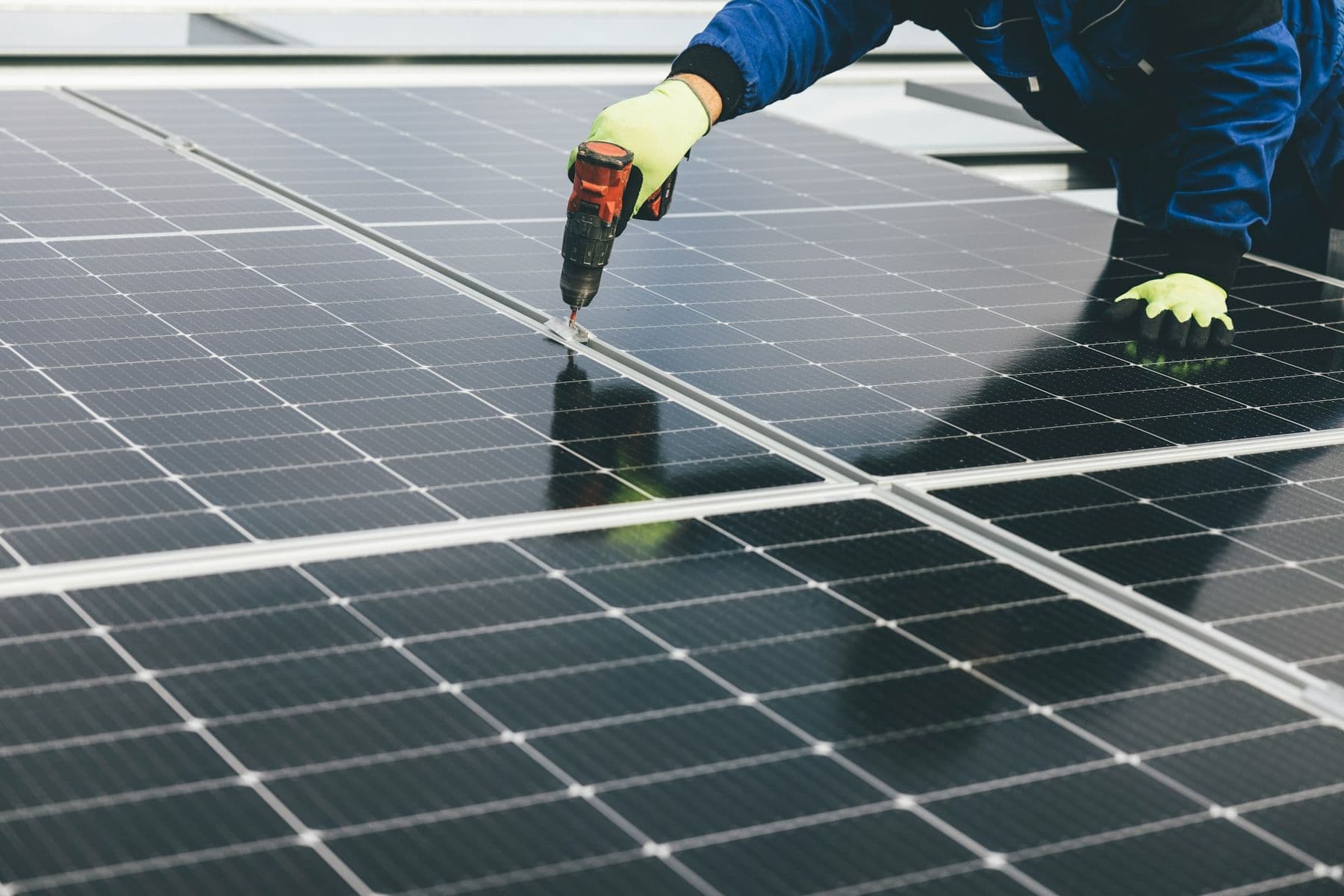
You don't apply for 0% VAT. A VAT-registered installer who supplies and fits a heat pump, solar panels, a battery or insulation should charge 0% instead of 20%. Windows, doors and gas boilers still pay 20%.
The same heat pump job, billed two ways
The typical air source job, before any grant.
At 20% VAT
- Supply and fit
- £12,908
- VAT at 20%
- £2,582
- Total
- £15,490
At 0% VAT
- Supply and fit
- £12,908
- VAT at 0%
- £0
- Total
- £12,908
£2,582not charged, with nothing to apply for.
- Who qualifies
- Any home in the UK, owned or rented, where one business both supplies and installs a measure on HMRC's list.
- How much
- The 20% VAT a standard-rated job would carry, until the zero rate reverts to 5% on 1 April 2027.
- How to apply
- Nothing to fill in. Check the VAT line on the quote reads 0% against the qualifying work.
Eligibility
Who qualifies for 0% VAT?
Written as the published rules work. Every line has to hold; if one fails, nothing else matters.
- Test 1:The work is installed in a home or a building used for a relevant charitable purpose
- Test 2:One VAT-registered business both supplies and installs the materials
- Test 3:The measure is on HMRC's energy saving materials list
- Test 4:The property is anywhere in the UK, including Northern Ireland since 2023

You're out if any of these apply
- Materials bought over the counter and fitted by you or a non-VAT-registered trade
- Windows, doors and gas boilers, which stay at the standard rate
- Work on a new build, which is already zero rated under different rules
- The non-energy part of a wider job, such as a rewire or a new roof
What it pays
What does 0% VAT cover, and what still pays 20%?
The relief applies to the supply and installation together, by a VAT-registered installer. Buy the same materials yourself and you pay the standard rate on them, which is why a DIY solar array is rarely as cheap as it looks.
0%
Heat pumps
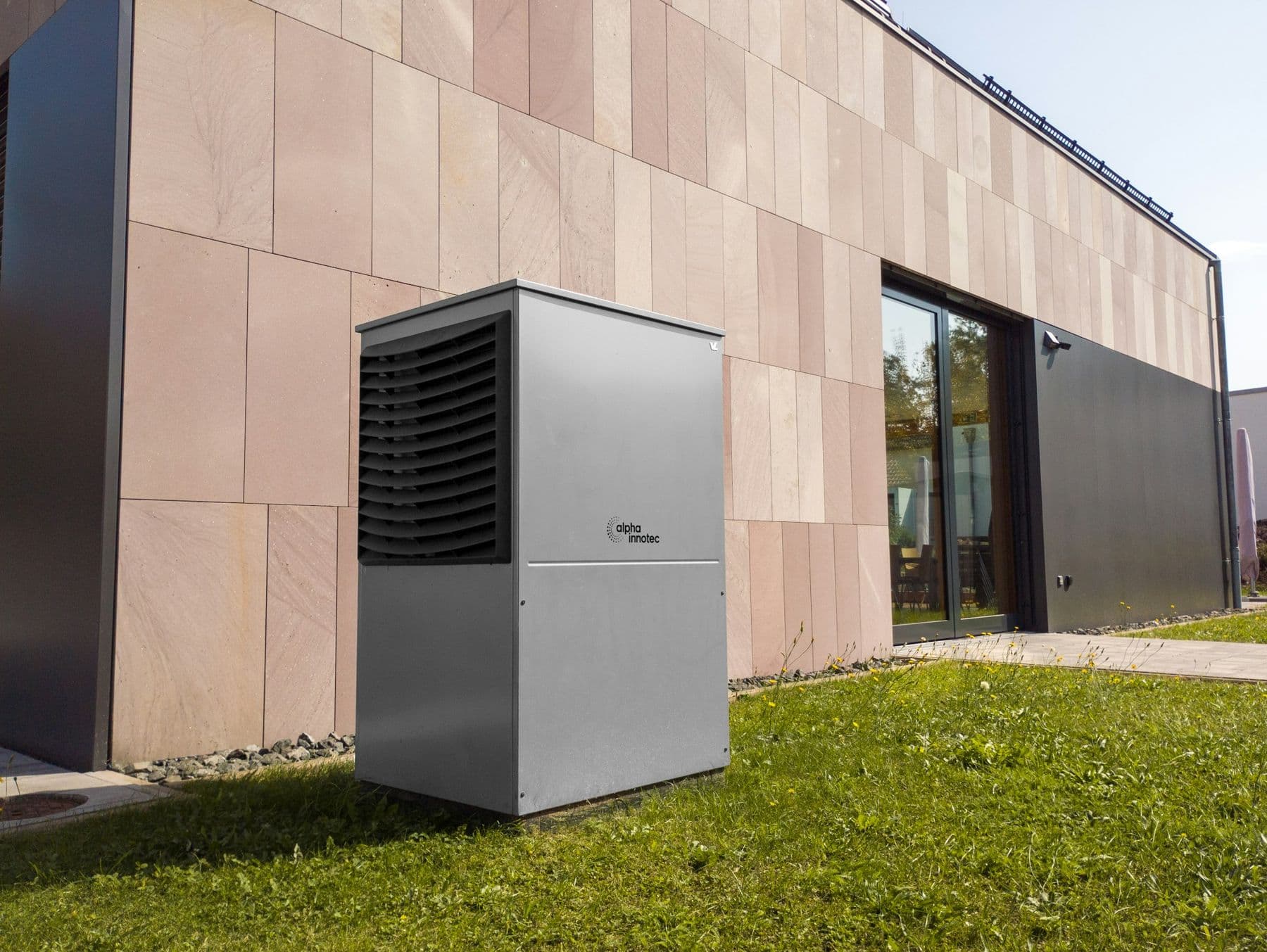
Air, ground and water source, including the cylinder and pipework in the same job.
Solar panels
Panels, mounting, inverter and labour. Roof repairs done at the same time are not covered.
Battery storage
Retrofitted to an existing array, or standalone. Added to the list in February 2024.
Insulation
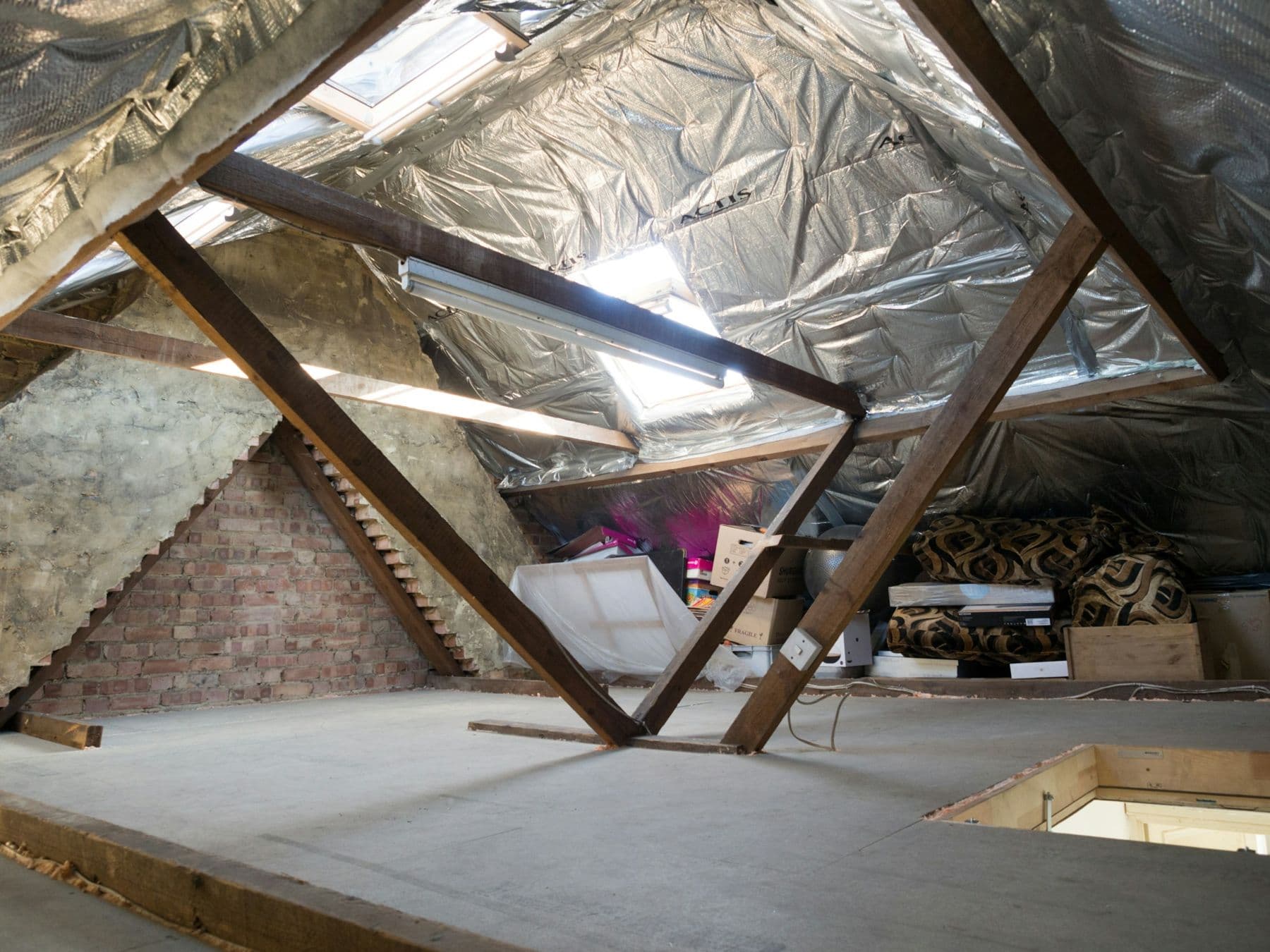
Loft, cavity, solid wall, floor and draught-proofing when installed rather than supplied.
Heating controls
Thermostatic radiator valves, programmers and smart controls fitted as part of a job.
20%
Double glazing
Windows and doors are not energy saving materials for VAT, however they are marketed.
Gas boilers
Replacing a boiler with a more efficient boiler is standard rated.
Applying
How do you apply for 0% VAT?
Step by step, with roughly how long each takes.
4 steps, from first check to finished work
Check the quote's VAT line
A correct quote shows 0% against the qualifying work. If a single 20% line covers the whole job, ask for it to be itemised before you sign.
Same day
Keep the supply and install together
Splitting the order — panels from one supplier, fitting from another — pushes the materials back to the standard rate. The saving usually outweighs any discount from buying direct.
At quote stage
Separate non-qualifying work
Scaffolding for a re-roof, a consumer unit upgrade or a plastering repair may be standard rated even when the main measure is not. A tidy invoice avoids an argument later.
At quote stage
Nothing to claim afterwards
There is no form and no refund. If VAT was charged in error, the installer has to correct the invoice — HMRC will not refund you directly.
—
Ask for a quote that shows its VAT line.
Qualifying work should read 0%, with anything else itemised beside it.
Get free quotesFree, from up to 3 installers who cover your postcode. They pay us a fee; you don't have to go ahead.
Before you apply
What catches people out with 0% VAT?
Closes
31 March 2027
Zero rate reverts to 5% on 1 April 2027. Schemes with a published end date rarely extend at the last minute, and installer diaries fill up first.
01
Buying the kit yourself
Materials bought over the counter, or fitted by someone else, pay 20%.
02
One VAT line for the whole job
Ask for the quote to be itemised, so the qualifying work shows 0% and the rest is separate.
03
The work around it
A re-roof, a rewire or plastering done at the same time can still be standard rated.
04
No refunds from HMRC
If VAT was charged in error, the installer has to correct the invoice.
Combining
Can you combine 0% VAT with other grants?
No scheme pays for the same measure twice. Getting the order right, insulation under one scheme and heating under another, is where the money is.
Can be claimed alongside
- Boiler Upgrade SchemeA fixed grant off a heat pump, claimed by your installer and taken off the quote.
- Energy Company Obligation (ECO4)Supplier-funded whole-house retrofits for low-income households in the worst homes.
- Great British Insulation SchemeSingle insulation measures for lower council tax bands, with no benefits test.
- Home Energy Scotland grant and loanA grant matched by an interest-free loan, with a rural uplift on top.
Can't be combined with
Nothing we've found. This one sits on top of the other schemes rather than competing with them.
The data behind this page
0% VAT in figures
This scheme doesn't publish delivery statistics we can load yet, so the figures below are placeholders and labelled as such. The rules above are from its published guidance.
Saved on a £9,000 heat pump
£1,500
Against the 20% standard rate
Saved on £6,000 of solar
£1,000
Panels, inverter and labour
Measures covered
14
Batteries and EV chargers joined in 2024
Reverts to 5% VAT
Apr 2027
Unless the relief is extended again
Illustrative. These figures are placeholders.
How the rules have changed
Amounts, qualifying benefits and end dates all move. Anything you read about this scheme that predates the latest entry here is out of date.
1 April 2022
Rate cut from 5% to 0%
The reduced rate became a zero rate in Great Britain, with the means-tested conditions that used to apply removed at the same time.
1 May 2023
Extended to Northern Ireland
The zero rate was brought into line across the UK, ending a year where the same job cost 5% more in Belfast than in Bristol.
1 February 2024
Batteries and water source heat pumps added
Standalone battery storage joined the list, so a battery retrofitted years after the panels now qualifies on its own.
Questions
0% VAT: common questions
Is 0% VAT a grant?
No, and that matters. It reduces the price you are charged rather than paying you money, so it does not count against grant limits and there is nothing to declare.
Can I claim it on materials I buy myself?
No. The zero rate applies where one business supplies and installs the materials. Buying panels online and paying someone to fit them leaves 20% VAT on the hardware.
Do windows qualify?
No. Double and triple glazing are not on HMRC's list, whatever the showroom says. Insulation, heat pumps, solar and batteries do qualify; windows, doors and boilers do not.
What happens in April 2027?
On current legislation the zero rate ends and the 5% reduced rate returns. On a £9,000 heat pump that is about £430 back on the price, so a job planned for early 2027 is worth not delaying.
Can a landlord use it?
Yes. The relief follows the building rather than who lives in it, so rented homes qualify on the same terms as owner-occupied ones.
Keep reading
Worth checking next
- Boiler Upgrade SchemeA fixed grant off a heat pump, claimed by your installer and taken off the quote.£7,500
- Great British Insulation SchemeSingle insulation measures for lower council tax bands, with no benefits test.One measure, mostly funded
- Energy Company Obligation (ECO4)Supplier-funded whole-house retrofits for low-income households in the worst homes.Whole-house, fully funded
See whether 0% VAT applies to your home
Start with your postcode. We work from what is already recorded about the property, not from a form you have to fill in.