Boilers: what a replacement costs, which type fits, and whether to wait for a heat pump
Most boilers get replaced in a hurry, on the coldest week of the year, from a single quote. The decisions worth making slowly are the type, the size and whether gas is still the right fuel for the next fifteen years.
We'll tell you whether it suits your property before anyone tries to sell you one.
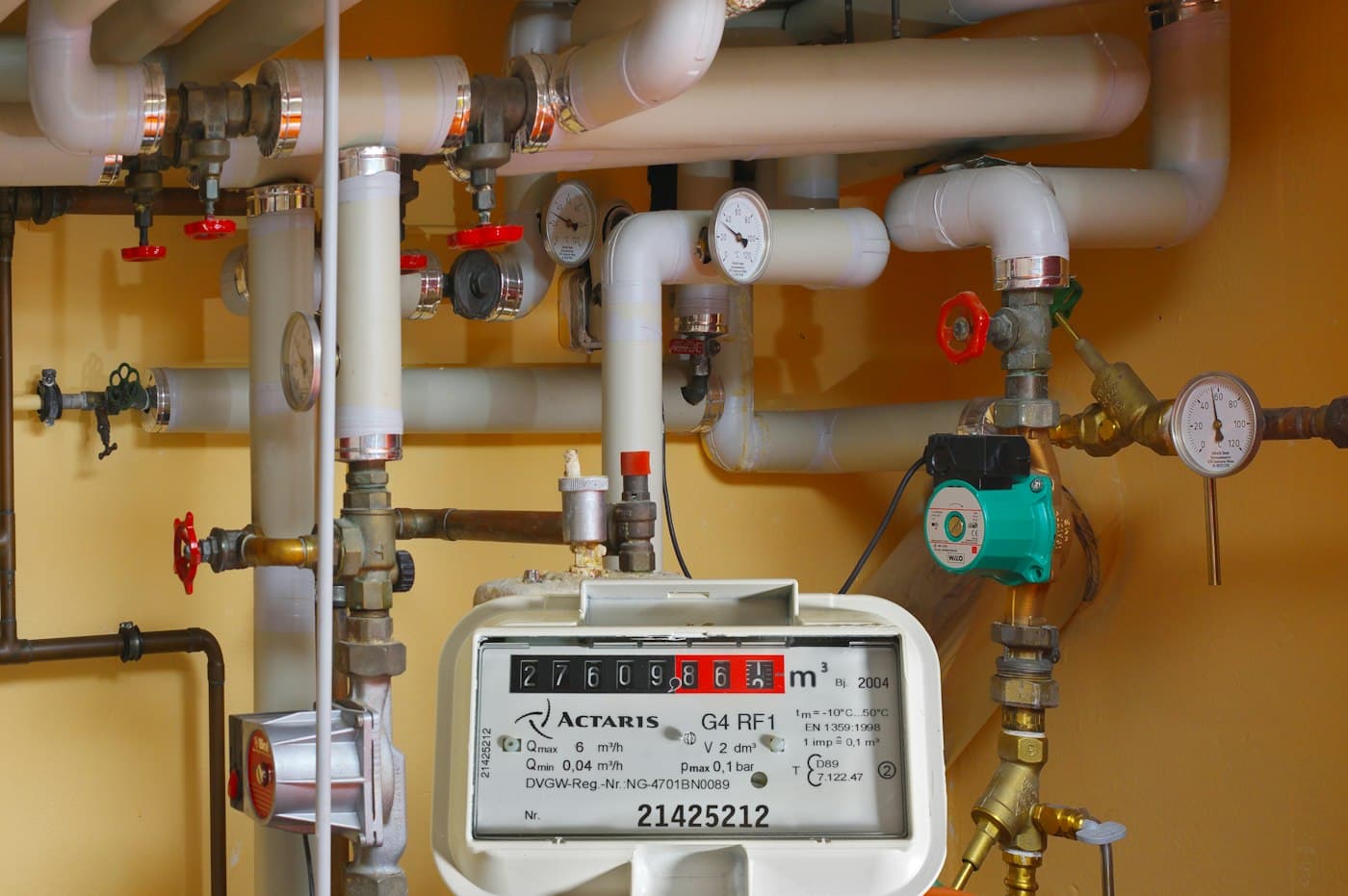
Installed cost
£1,800–£3,500
Combi replaced in the same position, 3-bed home
Typical lifespan
10–15 years
Against 15–20 for a heat pump
Warranty offered
2–12 years
Longest terms need accredited installers and annual servicing
Illustrative. Placeholder figures to show what this page will hold. Real ranges arrive with the quote and performance data behind them.
The short answer
If your boiler has failed and the house is not ready for anything else, a like-for-like replacement is the sensible decision. If you have warning and an insulated house, spending the money once on a heat pump beats spending it twice.
We don't sell boilers, and no installer pays to appear here. If the answer for your home is no, the page will say so.
Usually worth it if
- Old non-condensing boiler still limping through winters
- Four-bed with two bathrooms outgrowing a small combi
- Boiler failed in winter and the fabric is poor
Probably not yet if
- Insulated home with large radiators and a grant available
- Working boiler only a few years into its life
- Off-grid oil home where a heat pump costs less to run
Costs
What it costs
Price turns on the type of boiler, whether the pipework and flue can stay where they are, and how much of the system is being disturbed. We don't show a saving or a payback: what a new boiler saves depends on what it replaces and how the house is run, and no published source gives that per job. The EPC method's own figure is below the table.
Combi replaced in the same position
Installed cost
£1,800–£3,000
Regular boiler and tanks converted to a combi
Installed cost
£2,800–£4,500
System boiler and new cylinder, 4-bed with two bathrooms
Installed cost
£3,200–£5,500
Oil or LPG boiler replaced off the gas grid
Installed cost
£3,000–£6,000
Illustrative. Placeholder figures to show what this page will hold. Real ranges arrive with the quote and performance data behind them.
The homes
What the certificates say about boilers
Every energy certificate in England and Wales records what the assessor found and lists what would raise the rating. Counted up, they show how many homes are still waiting for this.
Recommended a new boiler
20.3%
Of homes, on their latest certificate
Heated by mains gas
80.8%
Of homes, by main heating fuel
Recommended better controls
16.6%
Of homes, on their latest certificate
| Measure | Recommended to | The EPC method's cost |
|---|---|---|
| Condensing boiler | 20.3% of homes | £2,200–£3,500Up to £10,000 on a bigger job |
| Heating controls | 16.6% of homes | £220–£250 |
From the EPC register to 9 September 2026, each home's latest certificate, England and Wales. A certificate recommends what would raise its rating, by the rules of the year it was lodged. The method's cost is the range the middle recommendation was given, the same for every home: a guide, not a quote.
Grants
What you can claim, nation by nation
There is no general grant for a new gas boiler anywhere in the UK, and the zero VAT rate on energy-saving materials does not cover one. What support exists is means-tested, varies by nation and changes often, so we will show what applies at your address with the date we last checked it and a link to the scheme rules.
England and Wales
- ECO4
- Boiler Upgrade Scheme (heat pumps only)
ECO4 is a whole-house scheme aimed at low-income and vulnerable households, and it funds a replacement gas boiler only in limited circumstances rather than as a routine measure. The Boiler Upgrade Scheme pays towards a heat pump or biomass boiler, not a gas one, so a grant only enters the picture if you change fuel.
Scotland
- Warmer Homes Scotland
- Home Energy Scotland grant and loan
Warmer Homes Scotland can replace an inefficient boiler for eligible households in fuel poverty. Home Energy Scotland's grant and loan funding is directed at zero direct emissions heating, so it will not pay for a replacement fossil-fuel boiler.
Northern Ireland
- Affordable Warmth Scheme
- NI Sustainable Energy Programme
Support runs through the Housing Executive and supplier-funded schemes and is income-tested. A boiler replacement scheme for older units has run here in the past, opening and closing with the budget, so we will publish whether it is currently open and what it pays.
Scheme rules change. Each one will carry the date we last checked it against Ofgem and GOV.UK.
Your property
Will it suit your home?
The answer turns on how your home was built, not on what the product can do in a brochure.
Combi, system or regular
A combi heats water on demand and frees up the airing cupboard, but it serves one outlet well at a time. A system boiler with a cylinder suits homes with two or more bathrooms. A regular boiler keeps a feed tank in the loft and usually stays because the rest of the system is built around it.
Hot water demand decides the size
Space heating for a 3-bed semi rarely needs more than about 10 kW, but combis are sized by how fast they can deliver hot water, which is why 30 kW units end up in small houses. Oversizing costs efficiency, so ask what the room-by-room heat loss and the hot water flow rate calculation actually said.
On the gas grid or off it
Oil and LPG homes pay more for fuel and more for the boiler, and their running costs move with an unregulated price. Off-grid properties are usually where a heat pump makes the strongest financial case, so the comparison is worth doing properly before an oil boiler goes back in.
Whether to fit now or wait
A boiler fitted today will likely still be working in the mid 2030s. If your home is already insulated and has generously sized radiators, a heat pump may be the cheaper decision now. If the boiler has failed mid-winter and the house is not ready, a replacement is the sensible move — but keep the pipework and radiators heat-pump friendly while the floor is up.
Flue, condensate and position
A flue has to terminate a set distance from windows, doors and boundaries, flues running through voids need inspection hatches, and every condensing boiler needs a condensate drain that will not freeze. Moving a boiler to a new wall is where a quote doubles.
Who fits it, and the warranty
Gas work must be done by a Gas Safe registered engineer, oil by an OFTEC registered one. Warranties of ten years or more usually depend on using a manufacturer-accredited installer, registering within a set window and keeping up an annual service — miss one and the cover lapses.
In progress
What lands on this page next
Some of this page is built from published data now. Still to come, in order:
- Cost bands from real quotes, by boiler type, property type and region
- The efficiency gain from your current boiler, read from its EPC record rather than guessed
- A side-by-side run of boiler against heat pump on your fuel prices and your home's heat loss
- Correct sizing for your property, so you can check a quote against it
- Which means-tested scheme applies at your address, with the date we checked
- Gas Safe and OFTEC registered installers covering your postcode, with their registration history
Where the answers come from
- EPC Register — main heating type, boiler age and efficiency by property
- Gas Safe Register and OFTEC — registered installers and the work they are qualified for
- Ofgem and GOV.UK — scheme rules, eligibility and current amounts
- Manufacturer data and installer quotes — output, efficiency and fitted prices
Questions
Common questions
How much will I save by replacing an old boiler?
The gain is the difference between the two efficiencies. An old non-condensing G-rated boiler turns roughly 70% of the gas into useful heat; a modern condensing one is rated above 90%, though it only reaches that if it runs at a low enough flow temperature to condense. On a typical gas-heated semi that difference is worth a few hundred pounds a year.
Should I fit a new boiler or go straight to a heat pump?
If the boiler has failed in winter and the house is poorly insulated, a replacement buys you time. If you have warning, the house is insulated and the radiators are a decent size, going straight to a heat pump avoids paying for the same job twice — and it is the only route with a grant attached.
Are hydrogen-ready boilers worth paying for?
Every boiler sold in the UK today can already run on the 20% hydrogen blend that has been approved for the gas grid. A 100% hydrogen network for home heating has not been committed to, and no conversion date exists. Treat hydrogen-ready as a claim about the future rather than something that lowers your bill now.
What size boiler do I need?
Smaller than most quotes assume. Space heating output should come from a heat loss calculation for your rooms, and the extra output in a combi exists only to run the hot water tap. An oversized boiler cycles on and off, which wears it out and wastes gas.
Do I pay VAT on a new boiler?
Yes, at the standard rate in most cases. The 0% VAT rate covers energy-saving materials such as insulation, heat pumps and solar panels, not a replacement gas, oil or LPG boiler. Some households qualify for a reduced rate on grant-funded work, which we will set out with the current rules.
How do I check my installer is registered?
Ask for the engineer's Gas Safe ID card and check the number on the Gas Safe Register — the card shows which work they are qualified for, and LPG needs a separate endorsement. Oil installers should be OFTEC registered. We will publish registration records so you can check a company before you call it.
See whether boilers suit your home
Start with your postcode and we'll work from what is already known about the property.