What home energy upgrades cost
Every upgrade on this site, from a smart thermostat to a heat pump, priced on one ruler for a typical three-bedroom home. Then why two quotes for the same job differ, and how to read one before you sign.
Your free home report reads the home's energy certificate, so you see which of these jobs it actually needs.
Already decided? Get quotes from up to 3 installers
Quoted, not listed
Two firms can look at the same house in the same week and differ by thousands.
The short answer
Heating controls, insulation (loft top-up) and EV chargers cost hundreds of pounds. Home batteries, windows & doors (whole-house double glazing), solar panels and heat pumps cost thousands.
Typical installed prices for a three-bedroom home, before any grant. Each links to its guide, which breaks the figure down by house and takes the grant off.
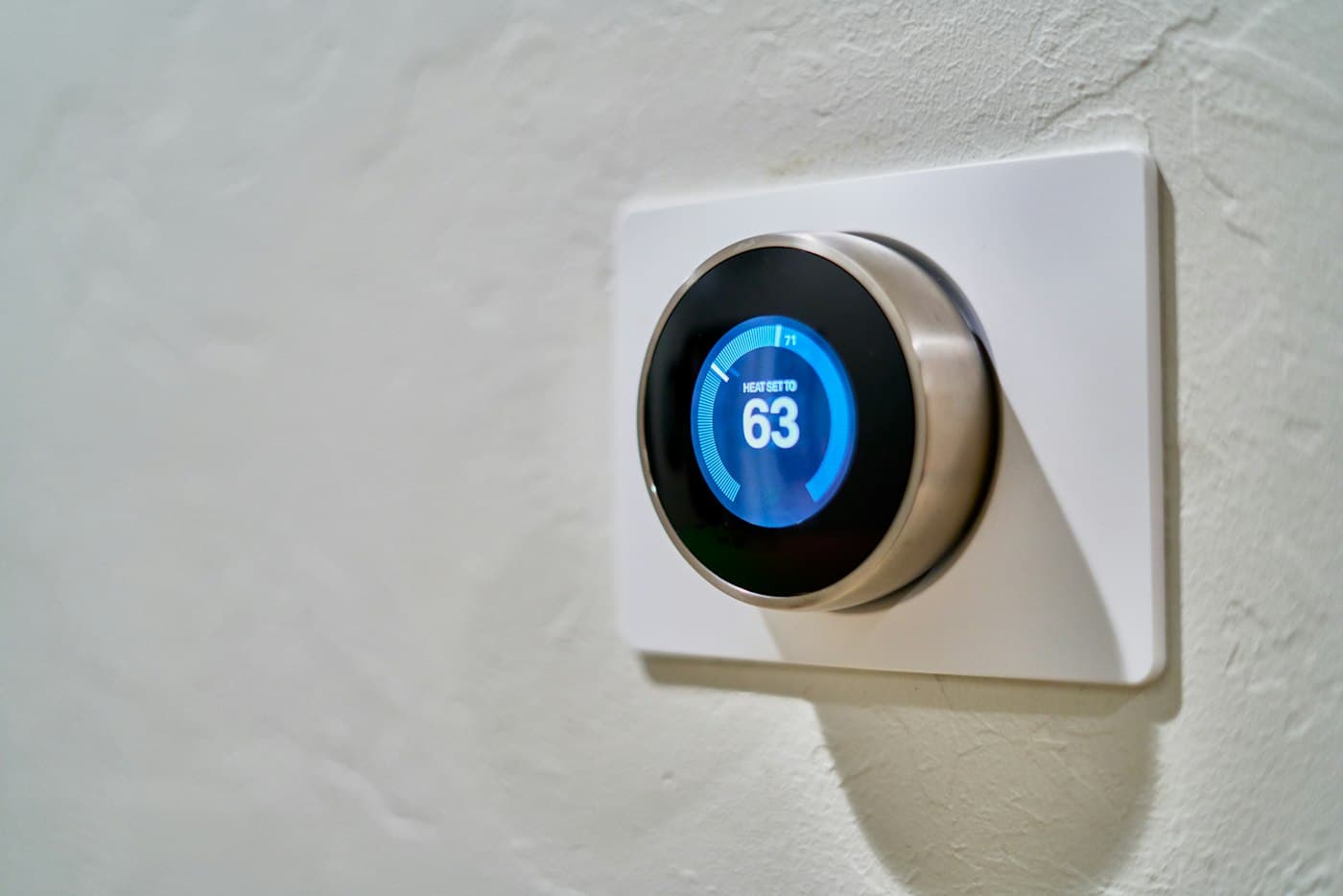 Heating controlsTypical spend£0–£400Illustrative
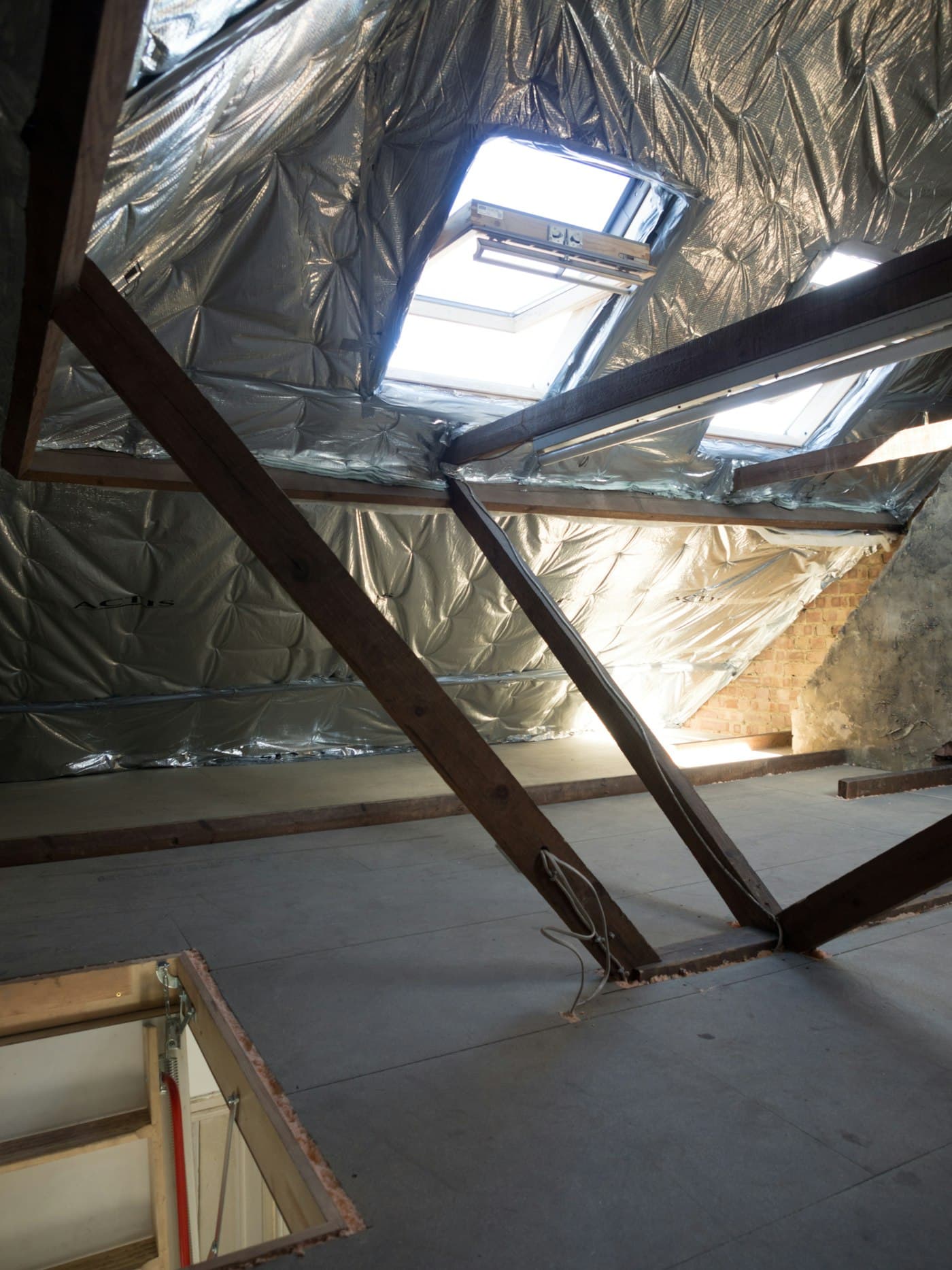 InsulationLoft top-up£400–£900Illustrative
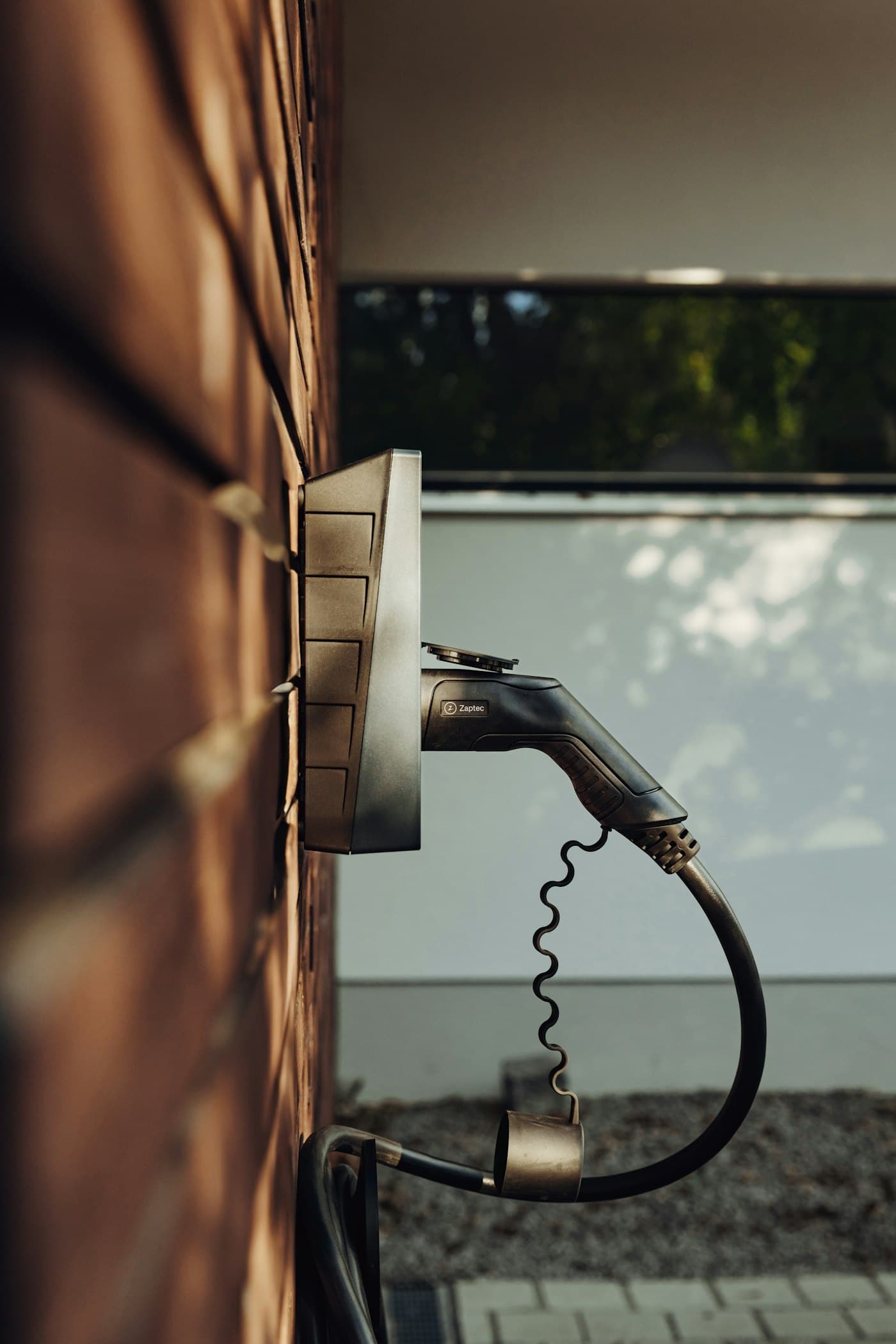 EV chargersInstalled cost£800–£1,400Illustrative
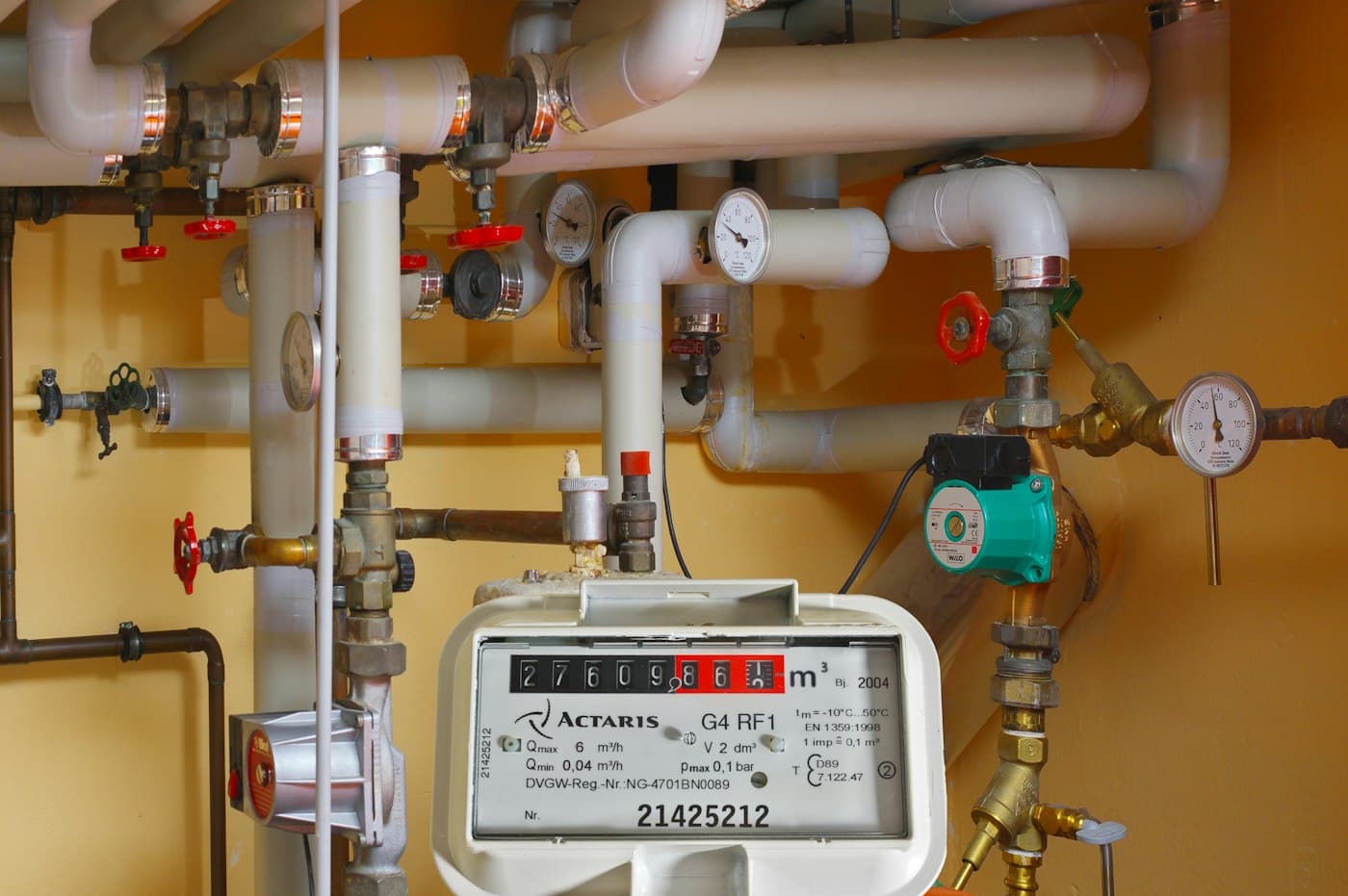 BoilersInstalled cost£1,800–£3,500Illustrative
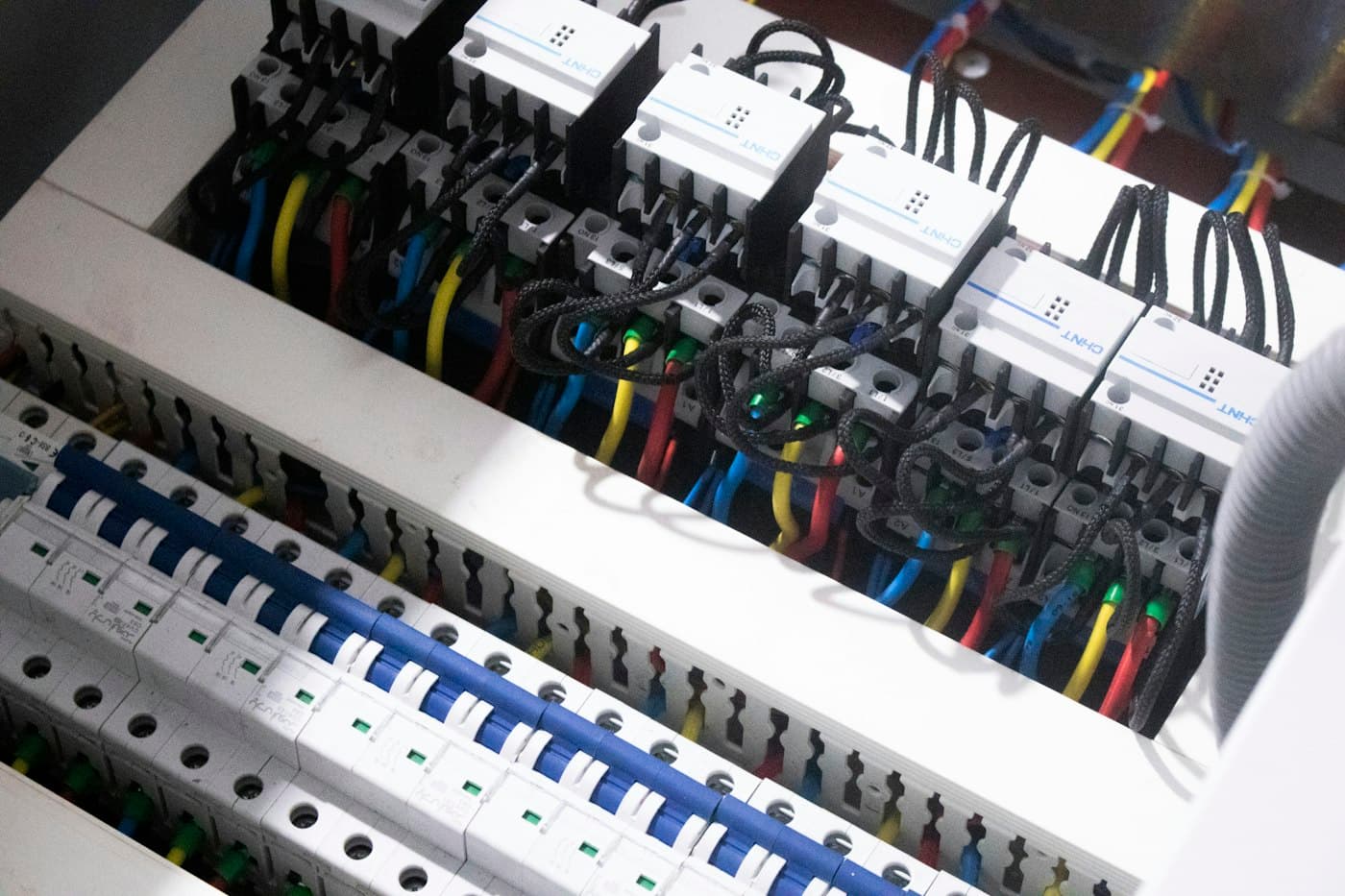 Home batteriesInstalled cost£3,500–£8,000Illustrative
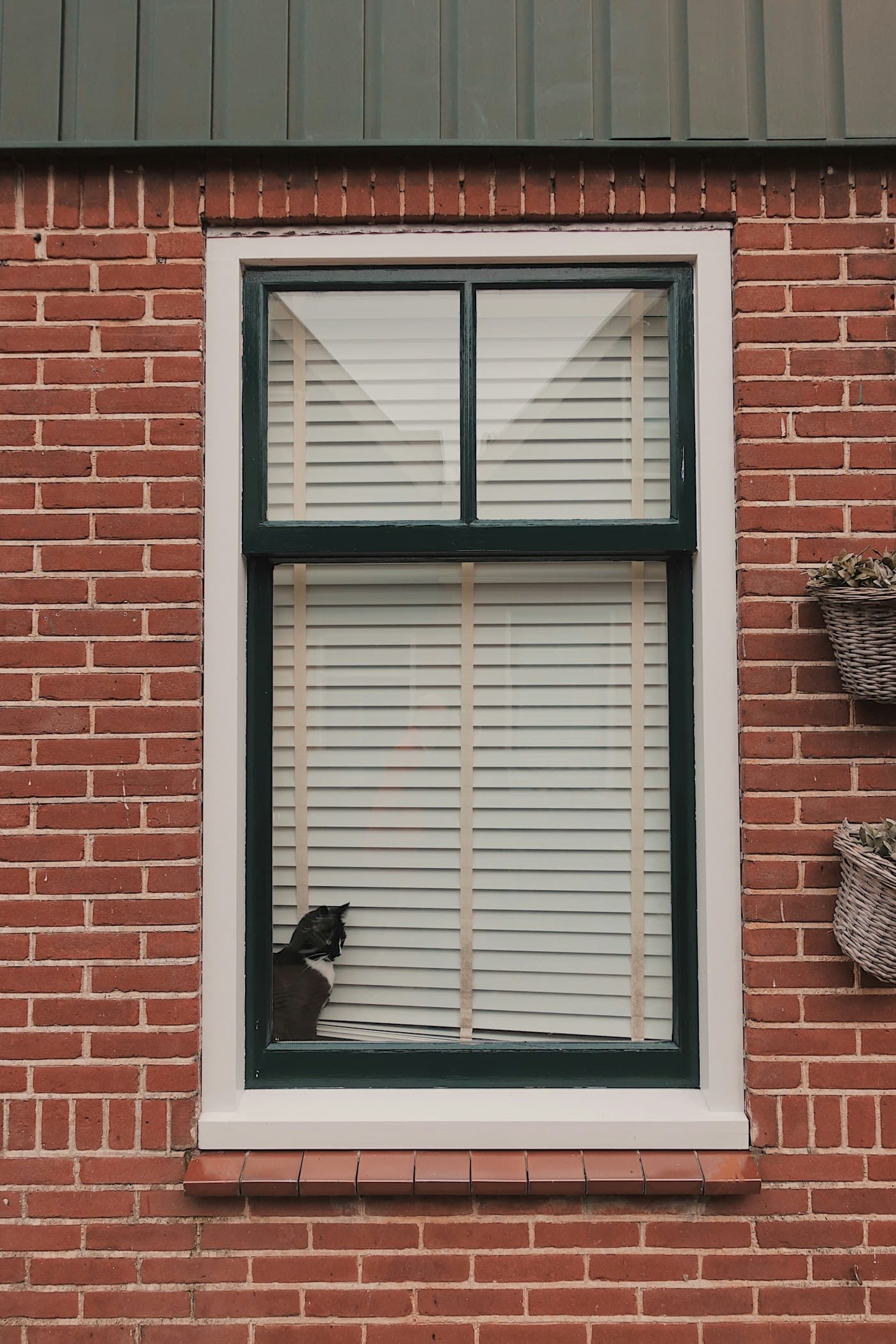 Windows & doorsWhole-house double glazing£6,000–£15,000Illustrative
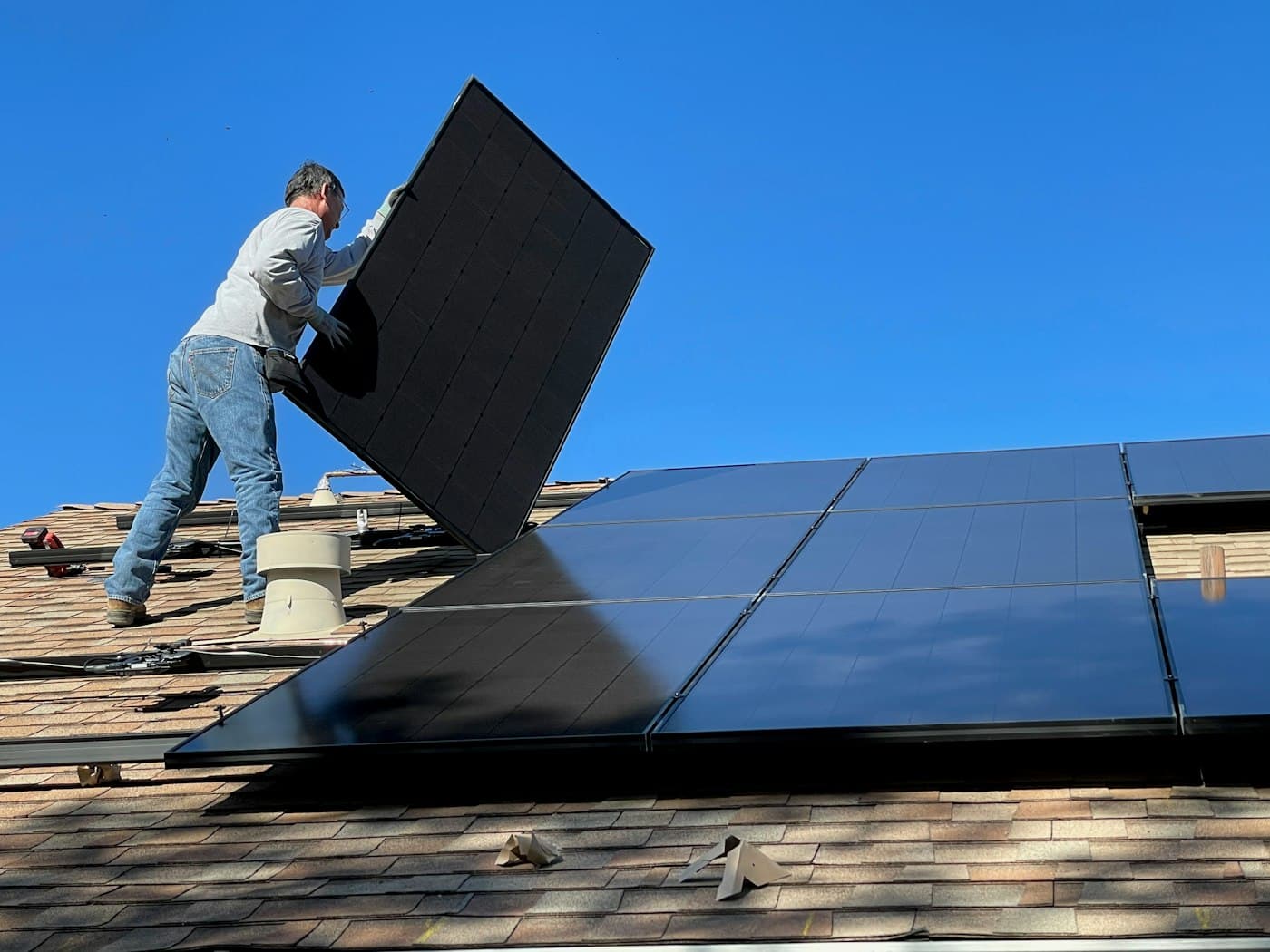 Solar panelsInstalled cost£8,000–£10,000EPC method £8,000–£10,000
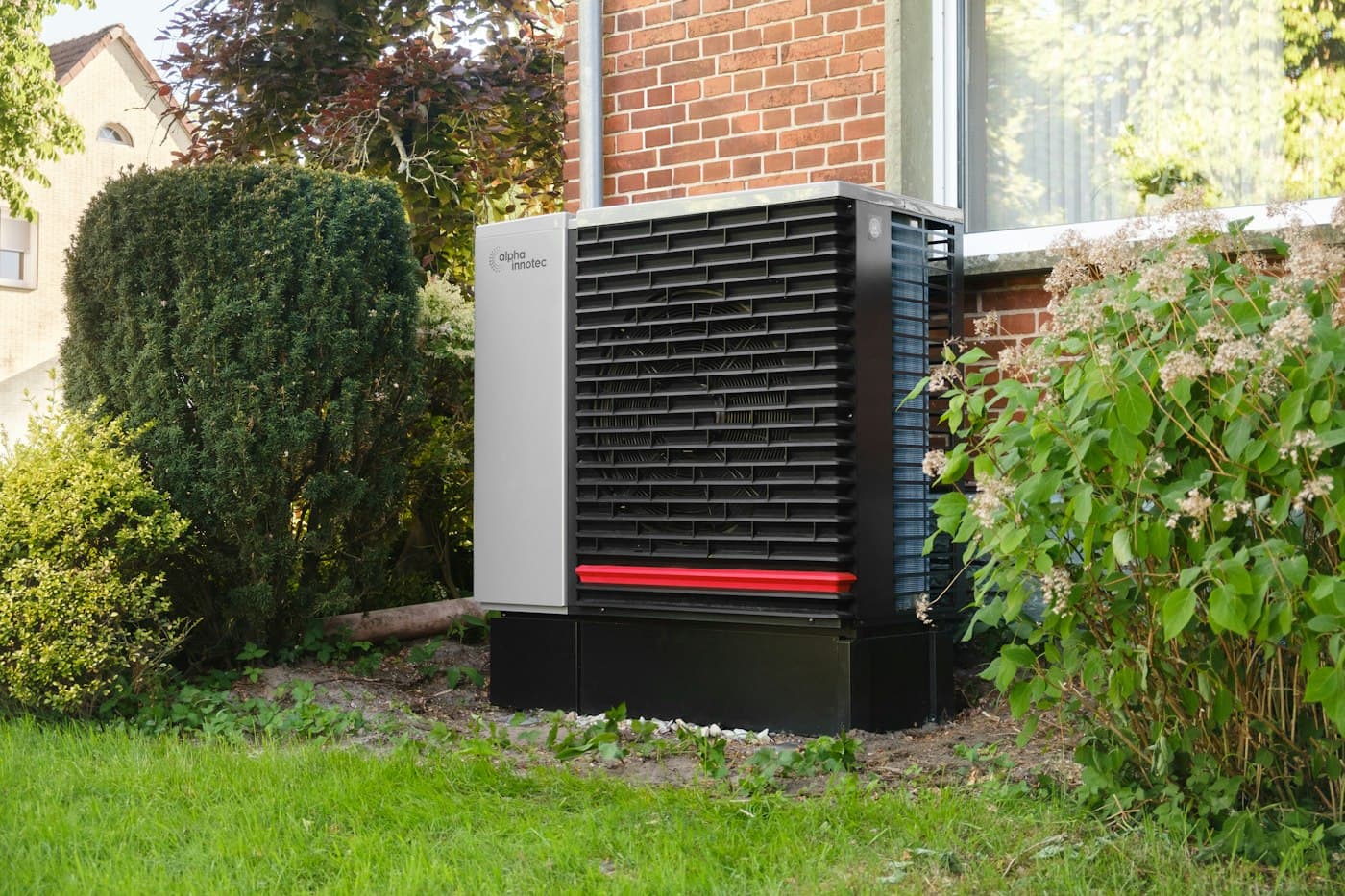 Heat pumpsInstalled cost£11,128–£15,627EPC method £5,000–£30,000
Illustrative. An outlined bar is our placeholder until quote data arrives; a solid one comes from published data (the Boiler Upgrade Scheme's installed costs, or the EPC method).
The thin line is the indicative range the energy certificate method puts on that measure (heating controls, cavity wall insulation, condensing boiler, battery, double glazing, solar panels and heat pump), from certificates lodged in the year to 9 September 2026. It's the same for every home, so it's a guide rather than a quote. The ruler is logarithmic: each gridline is about three times the last.
What moves the price
Why do quotes for the same job differ so much?
Six things set the price before anyone picks a product. Most of them are about your house, not the installer.
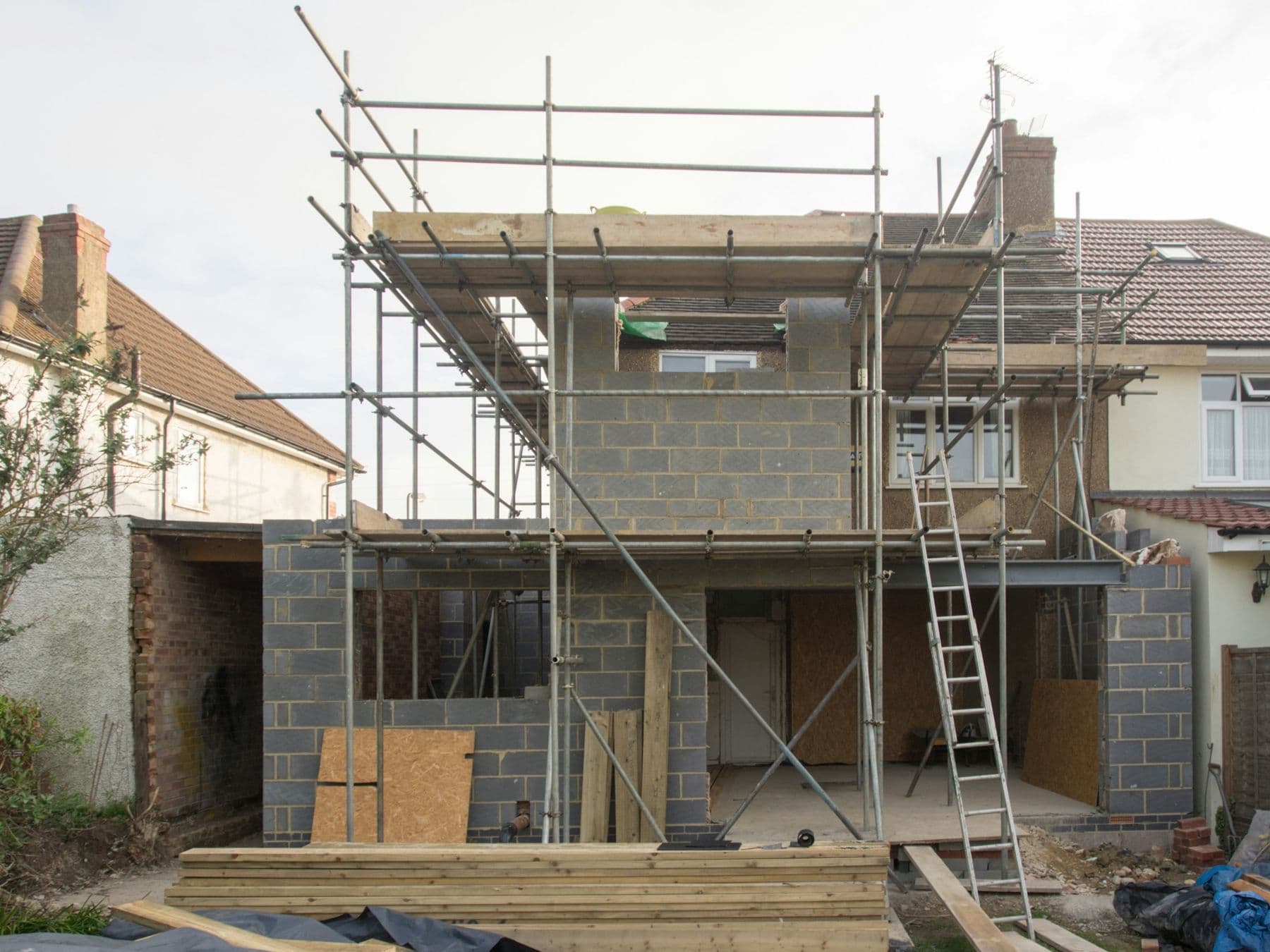
Access and scaffolding
A three-storey terrace with no side access carries costs a bungalow never sees. Scaffolding is one of the commonest reasons two quotes for the same work differ.
The size of the problem
Heat loss, roof area and window count set the scale of the job before anyone quotes. A solid-wall Victorian terrace and a 2005 townhouse are different jobs with the same name.
What's already there
Pipework that has to be upsized, a consumer unit at capacity, a roof that needs work first. The condition of what you have often costs more than the thing you're buying.
Where you live
Labour rates, travel time and how many certified firms compete for the work. Islands and remote rural postcodes carry a real premium, and some schemes recognise it.
What gets specified
Panel and unit choice, cylinder size, glazing spec. The tier matters, but rarely as much as the design and the quality of the fit.
Grants and VAT
A grant claimed by the installer comes off the quote before you see it, and qualifying measures are zero-rated for VAT. Both change how two prices compare.
Almost never because one firm is greedy. Usually because two firms have priced two different jobs and called them the same thing.
Quotation
Certified installer, number
Heat loss and design flow temperature
Not included
Deposit and stage payments
Workmanship warranty
Price held until
Before you sign
What should a quote include?
Eight things, in writing, before you pay a deposit. Anything missing is a question rather than a dealbreaker, and the answers are the fastest way to tell two similar prices apart.
- 1The certification number, not just a logo in the footer
- 2Every line itemised, not one number for the whole job
- 3For heating work, the heat loss calculation and design flow temperature
- 4What's excluded: scaffolding, making good, electrical upgrades
- 5VAT shown, and zero-rated where the measure qualifies
- 6The payment schedule, and how big the deposit is
- 7The workmanship warranty, and who honours it if the firm closes
- 8How long the price is held for

Three quotes, to the same written scope
That's how you find the real price for your house. Free, from up to 3 installers who cover your postcode. They pay us a fee; you don't have to go ahead.
Get free quotesThe data behind this page
What the energy certificate method puts on each measure
Every energy certificate that recommends a measure prices it with a standard range. Across the certificates lodged in the last year, these are the ranges it gave most. They're the same for every home, so they're a guide, not a quote.
| Measure | Typical range | Given exactly that | Widest common range | Recommendations |
|---|---|---|---|---|
| Hot water cylinder | £20–£40 | 71.4% | £20–£180 | 77,532 |
| Draught proofing | £150–£250 | 99.9% | £150–£250 | 70,658 |
| Low energy lighting | £210–£245 | 7.4% | £60–£350 | 163,561 |
| Heating controls | £220–£250 | 99.9% | £220–£250 | 104,219 |
| Battery | £500–£5,000 | 100% | £500–£5,000 | 6,175 |
| Shower heat recovery | £600–£1,500 | 99.9% | £600–£1,500 | 50,882 |
| Other | £750–£5,000 | 67.3% | £500–£5,000 | 3,442 |
| Cavity wall insulation | £900–£1,500 | 99.9% | £900–£1,500 | 218,086 |
| Flat roof insulation | £900–£1,200 | 99.9% | £900–£1,200 | 94,417 |
| Loft insulation | £900–£1,200 | 99.9% | £900–£1,200 | 107,409 |
| Room-in-roof insulation | £900–£1,200 | 99.9% | £900–£1,200 | 11,551 |
| Flue gas heat recovery | £900–£1,500 | 100% | £900–£1,500 | 3,581 |
| Storage heaters | £1,200–£2,400 | 36.9% | £400–£3,200 | 89,370 |
| Secondary glazing | £1,500–£3,000 | 100% | £1,500–£3,000 | 298 |
| External doors | £1,800–£2,400 | 59.5% | £900–£4,800 | 27,014 |
| Condensing boiler | £2,200–£3,500 | 86.4% | £2,200–£10,000 | 89,727 |
| Solar water heating | £4,000–£7,000 | 81.8% | £4,000–£7,000 | 95,280 |
| Double glazing | £4,500–£6,000 | 99.9% | £4,500–£6,000 | 74,667 |
| Floor insulation | £5,000–£10,000 | 99.9% | £5,000–£10,000 | 844,185 |
| Heat pump | £5,000–£30,000 | 99.9% | £5,000–£30,000 | 7,737 |
| Wind turbine | £5,000–£20,000 | 96.5% | £5,000–£20,000 | 22,438 |
| Solid wall insulation | £7,500–£11,000 | 99.9% | £7,500–£11,000 | 376,038 |
| Solar panels | £8,000–£10,000 | 98.2% | £8,000–£10,000 | 947,726 |
| Biomass | £10,000–£20,000 | 73.5% | £10,000–£20,000 | 686 |
MHCLG EPC register, England and Wales, certificates lodged in the year to 9 September 2026. The typical range is the one the middle recommendation got; the widest takes in every range given at least a twentieth of the time.
How prices will be shown here
- A range, not a number
- Real quotes for the same job vary by thousands. A single figure hides that.
- Priced to your property
- Bands by house type, age and construction, not a national average.
- Grant already deducted
- What you pay after support, not the headline before it.
- From quotes, not brochures
- What people were charged, not what the list price says.
Where the quote data will come from
- Quotes people share
- Real quotes submitted by homeowners, stripped of anything identifying.
- Installer pricing
- Published price lists and standard packages from certified firms.
- Scheme rules
- The fixed contributions each grant makes, and what they leave to pay.
- Published cost evidence
- Government and industry cost studies, used as a sense check rather than a source.
Weighted towards what people were actually charged. No sponsored prices, and no figures supplied by a company that wants the work. Until enough quotes are in to publish a band honestly, figures on this site that don't come from published data carry an Illustrative label.
Questions
Upgrade costs: common questions
Why show a range instead of a price?
Because a range is the honest answer. Quotes for the same measure on the same house routinely differ by thousands, depending on scope, access and how busy the installer is. A single average figure would be wrong for almost everybody.
Do these figures include the grant?
The installed cost is before any grant. Where a scheme applies, the guide for that upgrade shows what it leaves you to pay, because grants like the Boiler Upgrade Scheme are deducted from the quote rather than paid to you.
How many quotes should I get?
Three, from certified installers, with the same scope written down for each. Comparing a detailed quote against a one-line price tells you nothing except which one wrote less.
Why is the cheapest quote often not the cheapest job?
Usually because something is missing from it: scaffolding, making good, a larger cylinder, the electrical work. The gap turns up as a variation once the job has started and you have less leverage.
Does where I live change the price?
Yes, and by more than most people expect. Labour rates, travel, access and the number of certified firms competing for the work all move the figure. Some grant schemes carry a rural uplift for exactly this reason.
Will you pass my details to installers?
Not without you asking us to. Price research and being contacted by a salesperson are separate things, and the second one is never a condition of the first.
Which of these does your home need?
Enter your postcode. Your free report reads the home's energy certificate and works from the property, not a national average.
Free, from up to 3 installers who cover your postcode. They pay us a fee; you don't have to go ahead.