EV chargers: what a home charge point costs to fit, and what it costs to run
A home charge point is the cheapest way to fill an electric car, but the saving comes from the tariff behind it rather than the box on the wall. What the installation costs depends on your parking, the cable run and the size of your main fuse.
We'll tell you whether it suits your property before anyone tries to sell you one.

Installed cost
£800–£1,400
7kW unit, straightforward installation
Charging speed
7kW
Around 25 miles of range per hour
Cost per mile
2.2p–2.9p
On Octopus Go's cheapest half hour, at 3 to 4 miles per kWh
Petrol equivalent
12p–18p per mile
A 45mpg car at forecourt prices
Illustrative. Installed cost, charging speed and petrol equivalent are placeholders. The rest are worked out from published data, as their notes say.
The short answer
With off-street parking and an EV on the drive, a home charge point pays for itself within a year or two against public charging. Without somewhere legal to run the cable, no charger is worth ordering yet.
We don't sell ev chargers, and no installer pays to appear here. If the answer for your home is no, the page will say so.
Usually worth it if
- Driveway or garage close to the consumer unit
- EV tariff with a cheap overnight charging window
- Allocated bay in a flat, with the freeholder's agreement
Probably not yet if
- On-street parking where the council refuses cable channels
- No working smart meter, so overnight rates stay out of reach
- Occasional plug-in hybrid charged a few times a month
Costs
What it costs
Almost all domestic installations are 7kW on a single-phase supply, because 22kW needs a three-phase supply that most houses do not have. Price is driven by the distance from the consumer unit to the parking space, whether a spare way and a suitable RCD are available, and how much of the run is buried or clipped outside. The saving column assumes around 8,000 miles a year on an overnight rate; payback compares the install cost with charging on the public network instead. These are the bands we will publish once real quote data is in.
Drive or garage, unit near the consumer unit
Installed cost
£800–£1,100
- Annual saving vs petrol
- £600–£900
- Payback vs public charging
- Under a year
Drive, 10–15m cable run through the house
Installed cost
£1,000–£1,400
- Annual saving vs petrol
- £600–£900
- Payback vs public charging
- Under a year
Detached garage or outbuilding on its own sub-main
Installed cost
£1,400–£2,300
- Annual saving vs petrol
- £600–£900
- Payback vs public charging
- 1–2 years
Flat or shared car park, one bay on a shared supply
Installed cost
£1,200–£2,500 per bay
- Annual saving vs petrol
- £500–£800
- Payback vs public charging
- 2–3 years
Illustrative. Placeholder figures to show what this page will hold. Real ranges arrive with the quote and performance data behind them.
Grants
What you can claim, nation by nation
The Office for Zero Emission Vehicles (OZEV) runs the household chargepoint grants, and they apply across the UK, but the on-street and car park schemes that sit alongside them are run nation by nation and by individual councils. Amounts and eligibility change, so we will show the figure that applies at your address, the date we last checked it, and a link to the scheme rules.
England and Wales
- OZEV chargepoint grant for flats and rented homes
- OZEV grant for households with on-street parking
- LEVI fund (England)
- EV infrastructure grant for landlords
Homeowners in houses with their own driveway are no longer covered. The grants are aimed at people who live in a flat or rent their home, at households that park on the street and use a cross-pavement solution, and at landlords fitting chargers across a building. Councils in England draw on the Local EV Infrastructure fund for on-street charging, and Welsh authorities run their own programmes, so what is available varies between neighbouring areas.
Scotland
- Energy Saving Trust (Transport Scotland funding)
- OZEV chargepoint grants
The UK-wide OZEV grants apply here too, and Scottish support is administered by Energy Saving Trust on behalf of Transport Scotland, which has historically included help with home charge points and public charging infrastructure. What is open changes from year to year, so check the current position before you budget.
Northern Ireland
- OZEV chargepoint grants
- Department for Infrastructure charging projects
The OZEV household grants cover Northern Ireland on the same terms as the rest of the UK. There is no separate domestic scheme, and the public charging network is thinner than in Great Britain, which makes a working charger at home matter more.
Scheme rules change. Each one will carry the date we last checked it against Ofgem and GOV.UK.
Your property
Will it suit your home?
The answer turns on how your home was built, not on what the product can do in a brochure.
Somewhere to park and run a cable
The unit has to be within reach of the car without a lead crossing a public footway. A driveway, garage or allocated bay is straightforward; on-street parking needs a cross-pavement channel or gully, and only some councils permit them.
Your main fuse and load management
A 7kW charger draws 32A on top of everything else in the house. Supplies are commonly 60A, 80A or 100A, so many installations need load management, which uses a clamp on the incoming supply to throttle charging when the cooker and shower are on rather than tripping the fuse.
Earthing arrangement
Most homes are on a PME (TN-C-S) supply, and the wiring regulations require specific protection for an outdoor charge point on one. Modern units detect a broken neutral and disconnect, which avoids the old earth rod in many cases, but some sites still need one.
Cable run and consumer unit
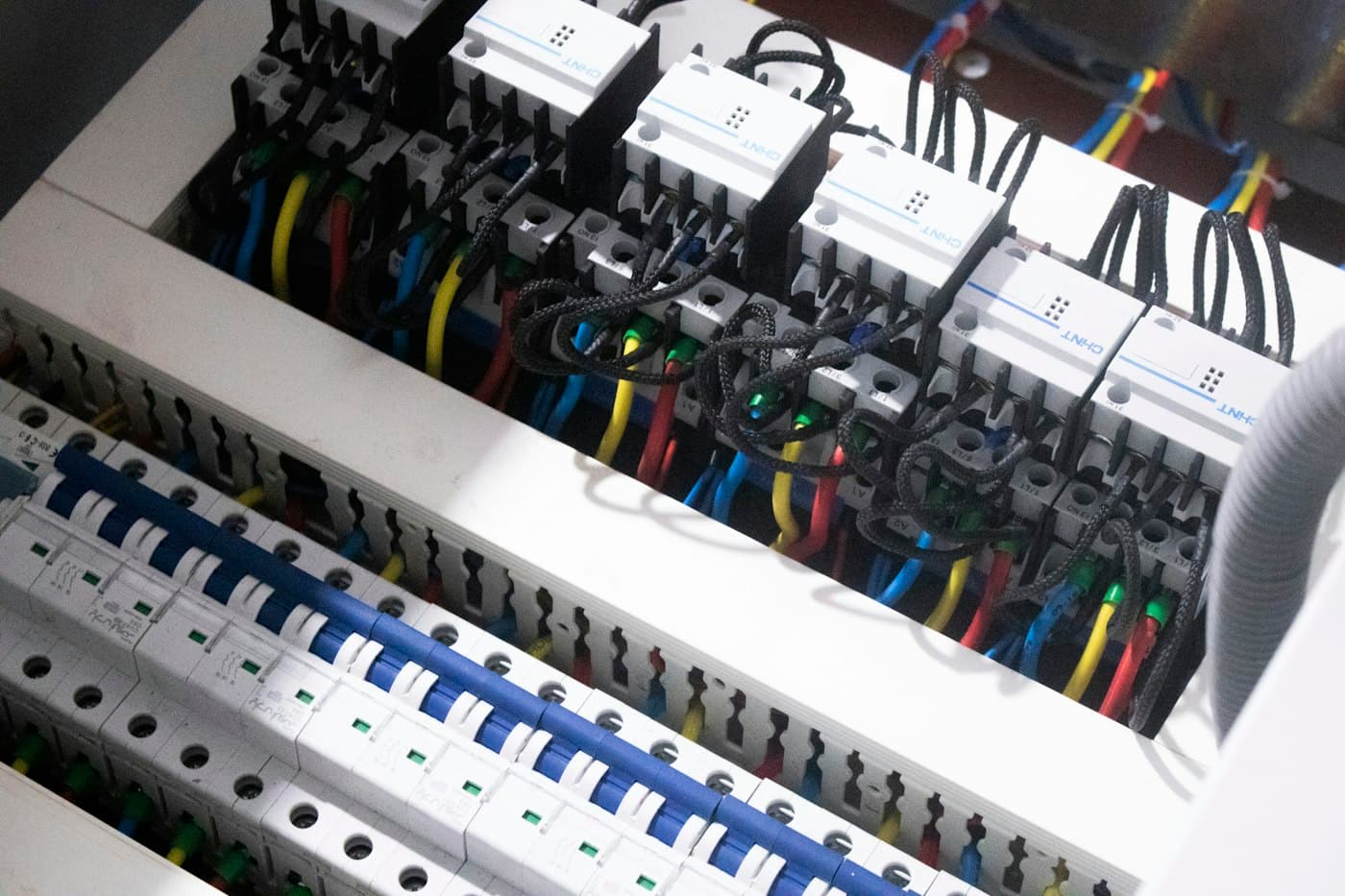
The charger needs its own circuit with the right type of RCD protection. If there is no spare way, or the board is old, the quote includes board work, and every extra metre of armoured cable, wall penetration or trench adds to it.
Tethered or untethered
A tethered unit has the lead attached and is quicker to use day to day. An untethered socket takes any cable, keeps the wall tidier and copes better if you change car, but you carry the lead yourself.
Tariff and when you charge
The running cost swings more on tariff than on hardware. An EV tariff with a cheap overnight window is where the saving is, and it needs a working smart meter and a charger you can schedule.
In progress
What lands on this page next
Some of this page is built from published data now. Still to come, in order:
- Cost bands from real quotes, split by cable run length and parking type
- Cost per mile against petrol and diesel on current tariffs and pump prices
- A comparison of EV tariffs and the overnight windows they offer
- Which OZEV grant applies at your address, and what it leaves you to pay
- Which councils allow cross-pavement channels for on-street charging
- Approved installers covering your postcode, with their scheme registration checked
Where the answers come from
- OZEV and GOV.UK — grant rules and current amounts
- National Chargepoint Registry — public charging coverage near an address
- Published supplier tariffs — EV rates and overnight charging windows
- Competent person scheme registers — installer registration and certification history
Questions
Common questions
Do I need a 7kW charger, or will a three-pin plug do?
A standard socket delivers around 2.3kW, which adds roughly 8 miles of range an hour and is meant for occasional use rather than every night. A 7kW unit charges about three times faster, can be scheduled to run in the cheap overnight window, and is wired as its own circuit instead of loading a general socket for hours.
What does smart charging actually mean?
Charge points sold for home use in Great Britain have to meet the smart charge point regulations. They default to charging outside peak hours, add a randomised delay so that a whole street does not start at the same second, keep charging safely if the network connection drops, and meet requirements on security and data. You can override the default schedule.
Can I charge the car from my solar panels?
Yes, if the charger supports solar diversion. It watches what you are exporting and charges at whatever rate the panels can supply, so surplus generation goes into the car rather than back to the grid. On a sunny day a domestic array will not usually run a charger at full 7kW, so most people combine it with a cheap overnight rate.
I live in a flat or park on the street — what can I do?
If you have an allocated bay, you need the freeholder or managing agent to agree, and the OZEV grants for flats and renters exist for exactly this case. Without off-street parking, some councils allow a cross-pavement channel that takes your cable under the footway, and others rely on lamp post or on-street chargers instead. Trailing a lead across a pavement is not an acceptable answer.
Does the installation have to be notified to anyone?
In England and Wales a new circuit is notifiable work under Part P of the building regulations, and an installer registered with a competent person scheme self-certifies it and issues a certificate. Scotland and Northern Ireland have their own building standards and notification routes. You should also tell your DNO about the charge point; installers normally handle this.
How do I know an installer is competent?
Look for registration with an electrical competent person scheme, current qualification for electric vehicle charging installations under BS 7671, and authorisation to claim the OZEV grant if you are eligible for one. Ask for the electrical installation certificate and the DNO notification in writing, and compare at least three quotes. We will publish registration records so you can check a company before you call it.
See whether ev chargers suit your home
Start with your postcode and we'll work from what is already known about the property.