The home upgrade guide we couldn't find anywhere else
Most advice about upgrading a house is written by someone who wants to sell you the upgrade. This is an attempt at the other thing: what will work for your property, what it should cost, and who to trust — with the evidence attached.
Why it exists
Every answer online is either a sales page or a national average
Ask what a heat pump costs and you get a brochure price. Ask whether one suits your house and you get a form that ends in three phone calls. Ask what a home like yours actually achieved and there is nothing at all.
The odd part is that the evidence exists. Millions of energy certificates, census records of how Britain's homes were built, a public register of certified installers, grant rules published by the bodies that run them. It is just scattered, unfriendly, and nobody has put it next to a question a homeowner would actually ask.
That is the whole job here: join the data to the question, show where each figure came from, and be honest about the parts we cannot answer yet.
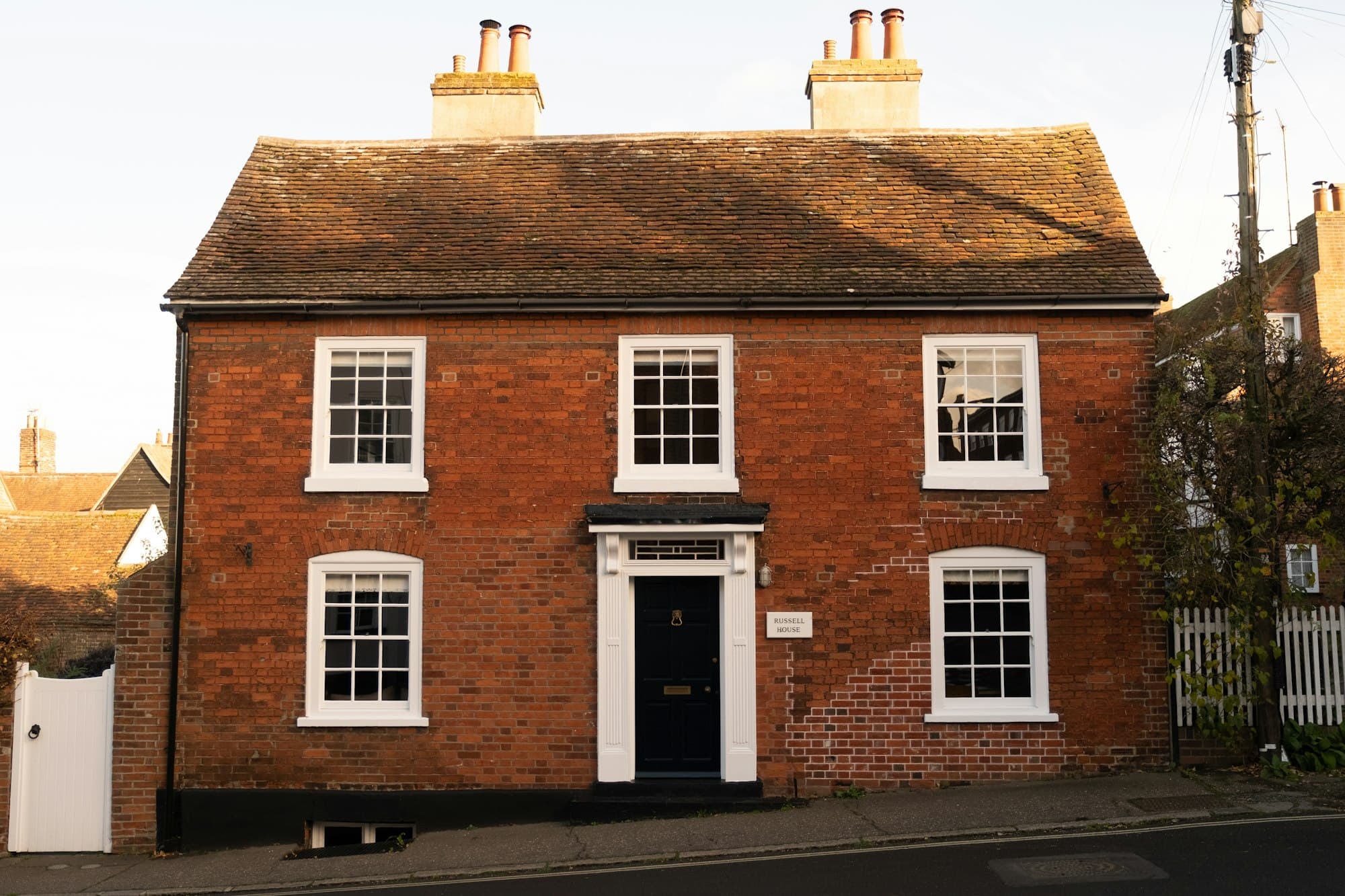
The right upgrade for a 1930s semi with solid walls is not the right upgrade for a 2005 townhouse. Almost nothing online admits that.
How we work
Four rules we hold ourselves to
They are easy to write down and occasionally expensive to keep. That is rather the point.
Say the number, or say we don't have it
No "up to", no "save thousands". Where a figure is a placeholder while the data loads, it carries an Illustrative label until it isn't.
Start from the property, not the product
A heat pump is right for a lot of homes and wrong for some. The answer comes from how your house was built, not from what we would like to recommend.
Nothing is for sale in the rankings
No company can pay to be recommended, to rank higher or to have a guide reworded. If something is ever paid for, it says so where you see it.
Show the working
Every figure will name its source and the date we last checked it, so you can go and disagree with the source rather than with us.
Money
How this is paid for
Worth knowing before you trust anything on the site, so it is on the page rather than in the small print.
- Reading everything here is free, and stays free.
- Later, installers will pay to be introduced to homeowners who have asked to be introduced.
- An introduction only happens when you ask for one. It is never the price of reading a page.
What we won't do
- Sell your details to anyone you haven't asked us to contact
- Take payment for a higher ranking or a recommendation
- Let a sponsor change what a guide says
House Roadmap is independent. It is not owned by an energy supplier, a manufacturer, an installer or a lead-generation company.
Progress
What's built, and what comes next
The site is early. Rather than pretend otherwise, here is the order the data is landing in — and why several pages still say the figures are illustrative.
- Built
- Guides for 8 upgrades, from heat pumps to glazing
- The 9 UK grant schemes, nation by nation
- The site, the design system and the writing rules
- Next
- The EPC Register, imported address by address
- A real answer from a postcode: age, type, construction, rating
- Cost bands built from quotes people share with us
- Later
- Certified installers, their coverage and their record
- Measured performance from monitored UK homes
- Pages for towns and postcode districts, opened carefully
Found something we've got wrong?
Corrections are the fastest way to make this better. Tell us what is wrong and where, and we will check it against the source.