Home energy upgrades: which to do first
9 ways to make a home cheaper to run, in three kinds: use less energy, heat it differently, make your own. Each guide says what it costs, what it saves, which grant helps and whether it suits a home like yours.
Your free home report reads your home's certificate, so the order it gives is for your walls, loft and heating.
Already decided? Get quotes from up to 3 installers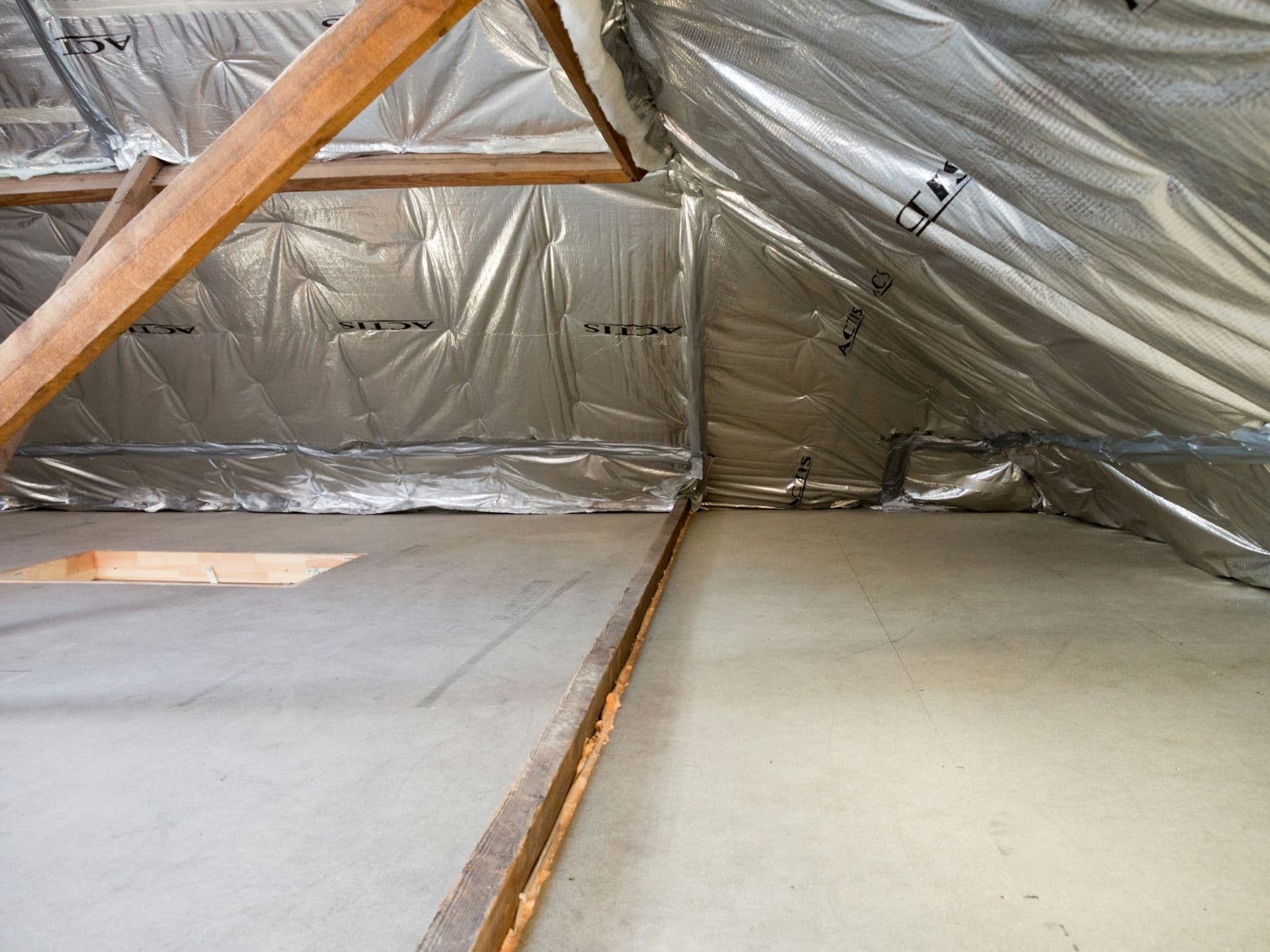 Use less energy
 Heat differently
 Make your own
The short answer
Fix the controls, then the fabric, then the heating, then add your own power. Cheap work first, because it shrinks every job that comes after it.
The exception is a boiler that has broken: then the heating decision comes first, and the insulation follows. Nobody pays to appear on this page; we're paid a fee only if you ask us for quotes.
- 1Get the controls rightTurn the boiler's flow temperature down, and fit a thermostat and radiator valves if there are none. Some of it is free.£220–£250
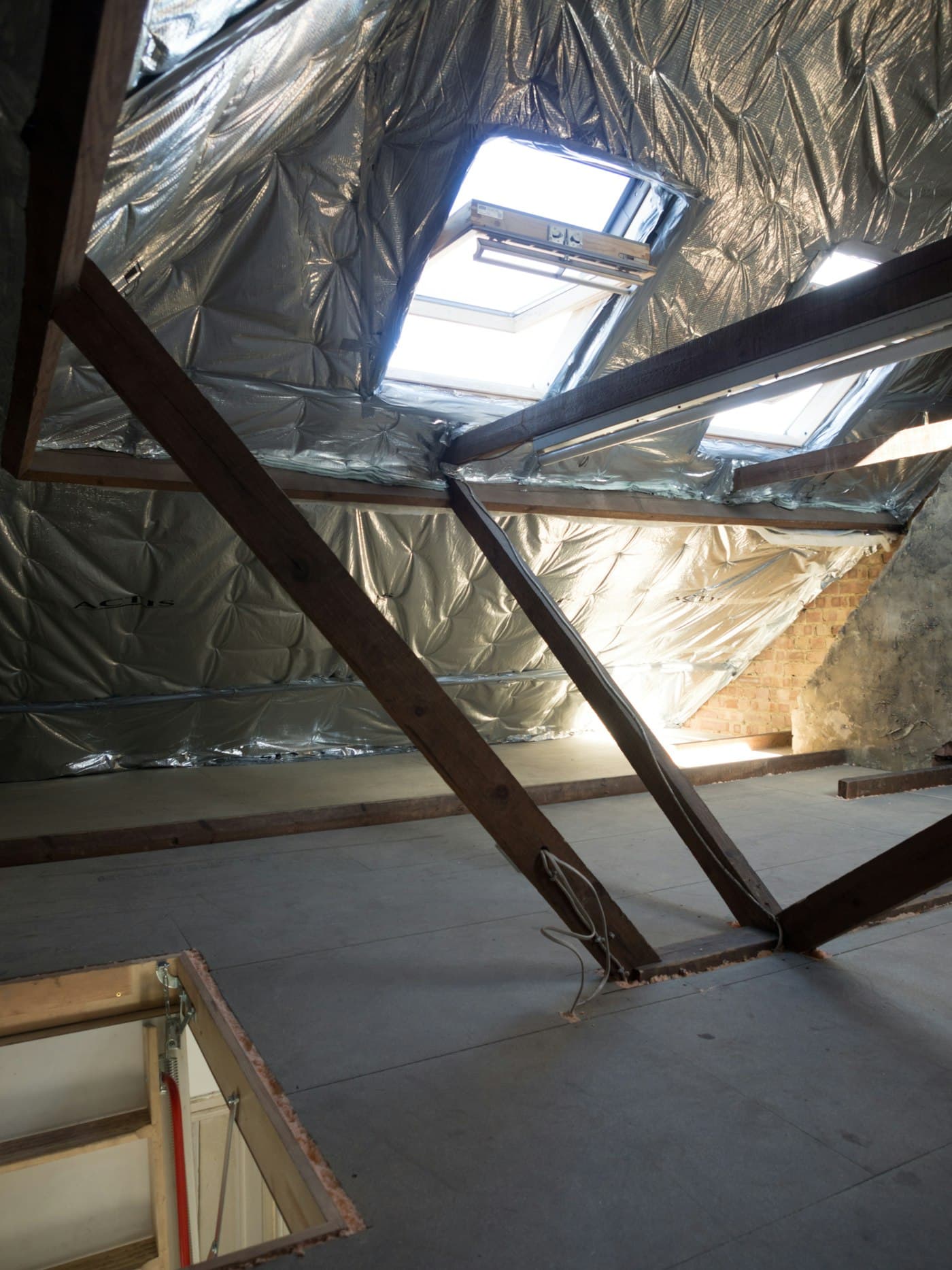
- 2Stop the heat escapingLoft, cavity walls, draughts. Cheap, quick, and it makes the heating you buy next smaller.£900–£1,200£900–£1,500
- 3Change the heating when it's dueA heat pump sized for the house you've insulated, or a new boiler if a heat pump won't suit.£5,000–£30,000less £7,500 grant
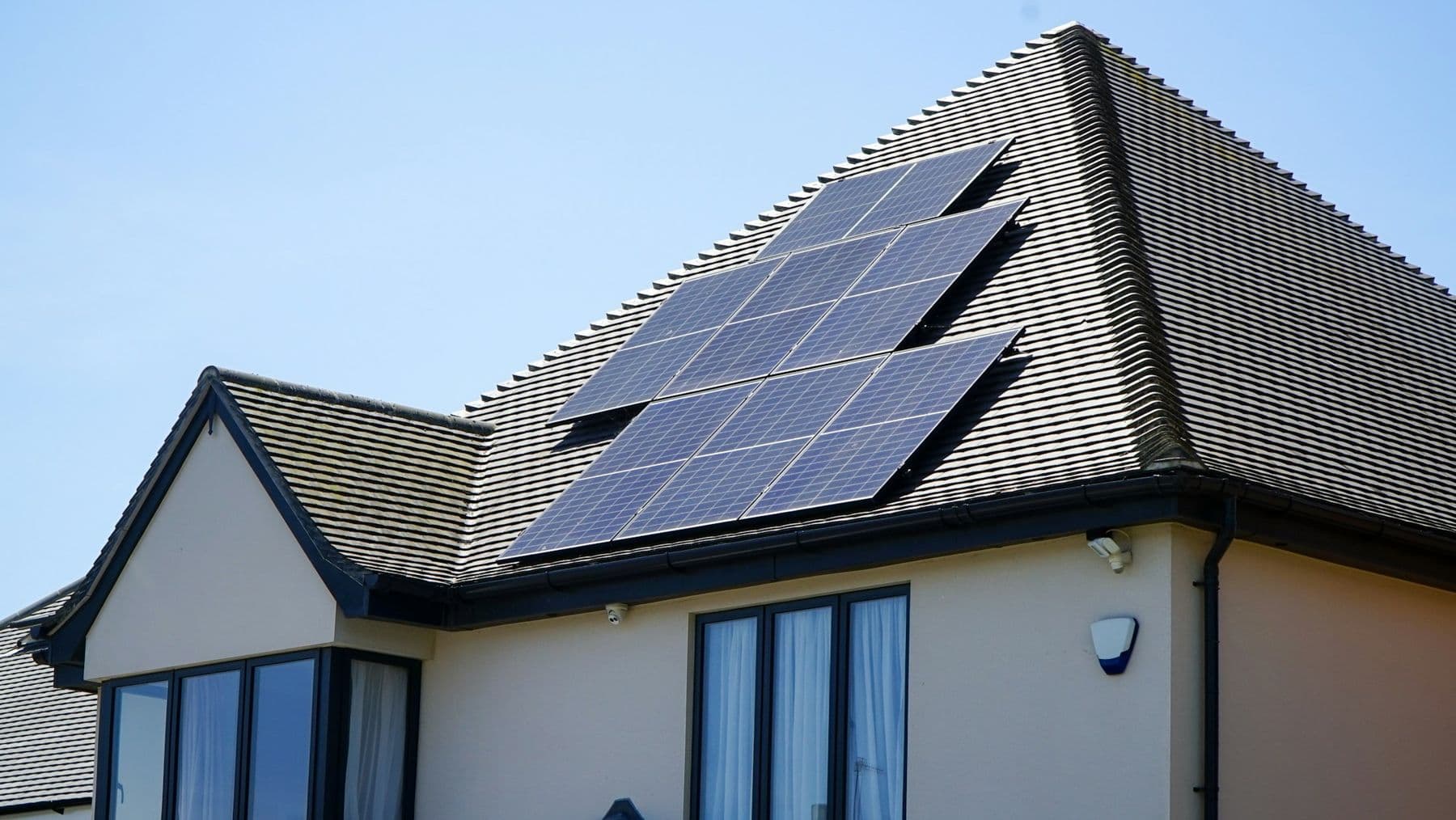
- 4Make, store and use your own powerSolar panels first, then a battery or a car charger that uses what they make.£8,000–£10,000
Prices are the EPC method's indicative ranges (for controls; loft then cavity walls; a heat pump; solar panels), the same for every home and not quotes, from certificates lodged in the year to 9 September 2026. The grant is the Boiler Upgrade Scheme, England and Wales.
1. Use less energy
What should I do first?
Keep the heat you already pay for. These are the cheapest jobs on most homes, and they make the heating you buy later smaller.
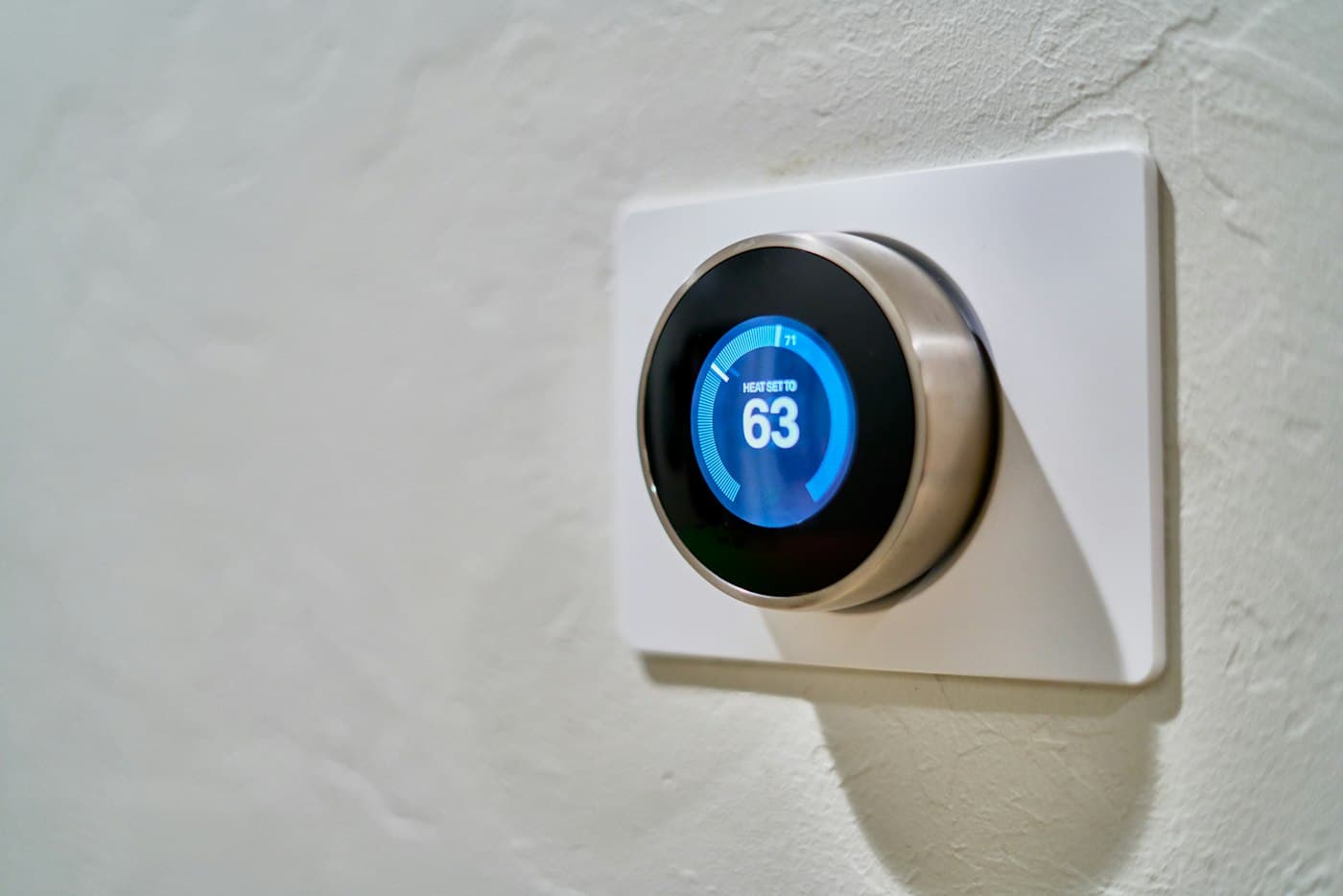 Heating controlsLow-cost changes that cut bills in almost any home.Typical spend£0–£400Illustrative. A placeholder until quote data arrives.EPC method: £220–£250
- InsulationLoft, cavity and solid wall options for how your home was built.Loft top-up£400–£900Illustrative. A placeholder until quote data arrives.EPC method: £900–£1,500
 Windows & doorsWhen new glazing is worth it, and when your money goes further elsewhere.Whole-house double glazing£6,000–£15,000Illustrative. A placeholder until quote data arrives.EPC method: £4,500–£6,000
2. Heat differently
My boiler is getting old. What should replace it?
Decide before it breaks, when there's time for a survey and the grant. Two roads, and the insulation you've done decides how big either needs to be.
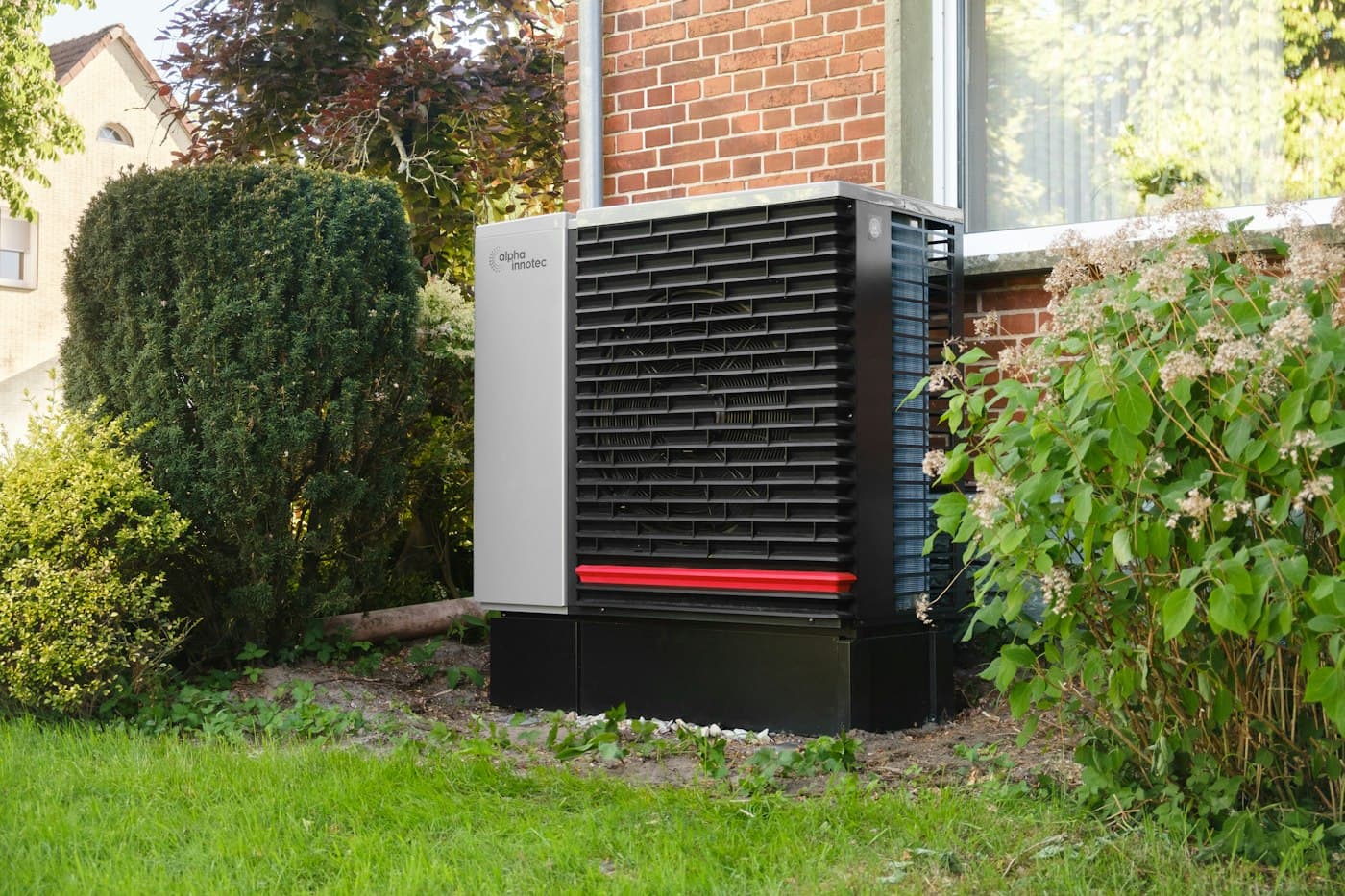 Most homes: a heat pumpHeat pumpsMost homes can swap a gas boiler for a heat pump. Designed properly for the house, it heats as well and can cost less to run. Guessed at in a draughty home, it costs more.Installed cost£11,128–£15,627EPC method: £5,000–£30,000
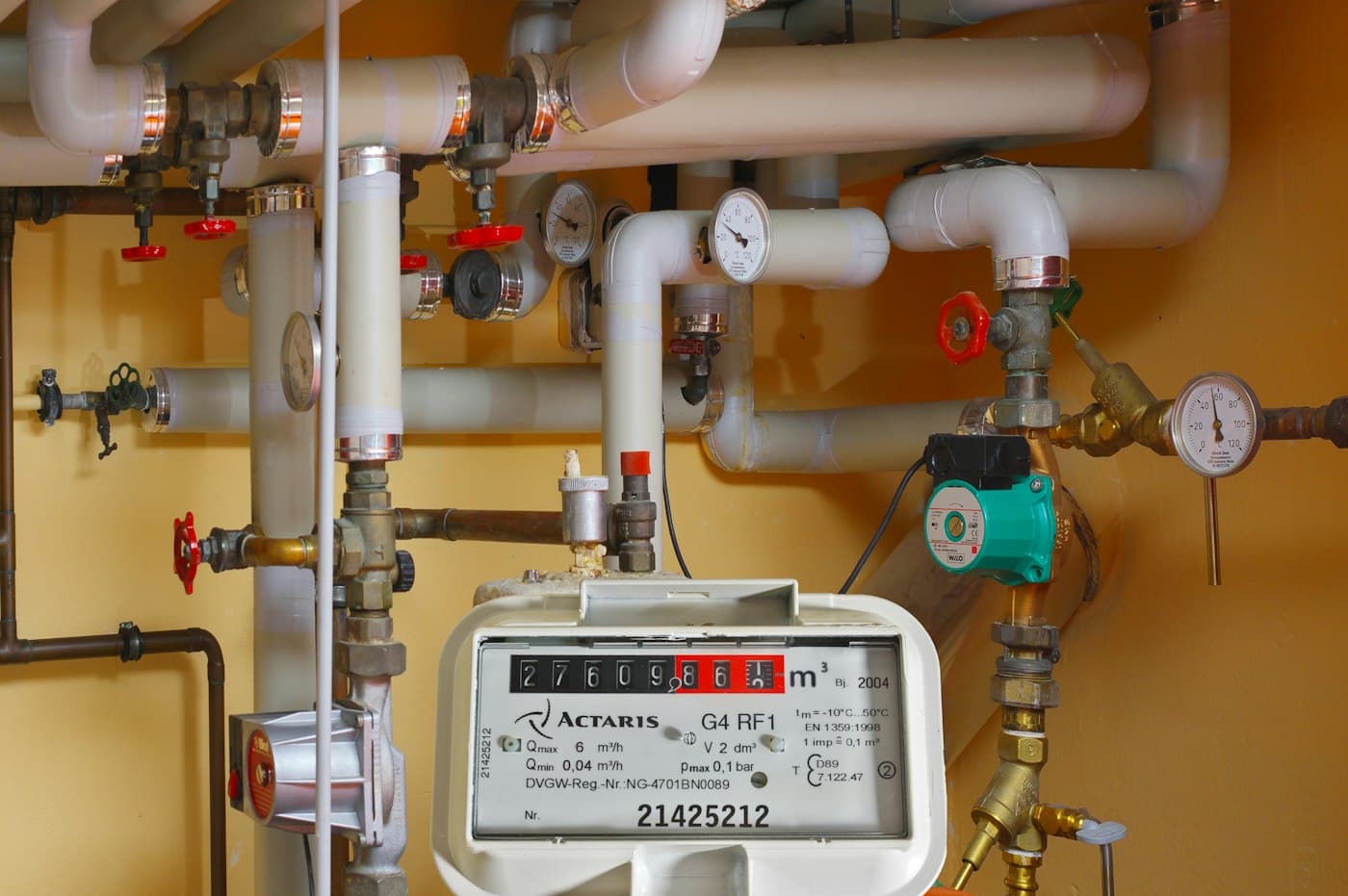 Where a heat pump won't suit: a new boilerBoilersBoiler failed and the house isn't ready? Replace it like for like. Got warning and an insulated house? Fit a heat pump, and pay once instead of twice.Installed cost£1,800–£3,500Illustrative. A placeholder until quote data arrives.EPC method: £2,200–£3,500
Already decided on your heating? Get quotes
Free, from up to 3 installers who cover your postcode. They pay us a fee; you don't have to go ahead.
3. Make, store and use your own
Are solar panels and a battery worth it?
Panels make the power, a battery moves it into the evening, and a car charger or a heat pump uses it. Whether they pay turns on the roof and on when the house uses power.
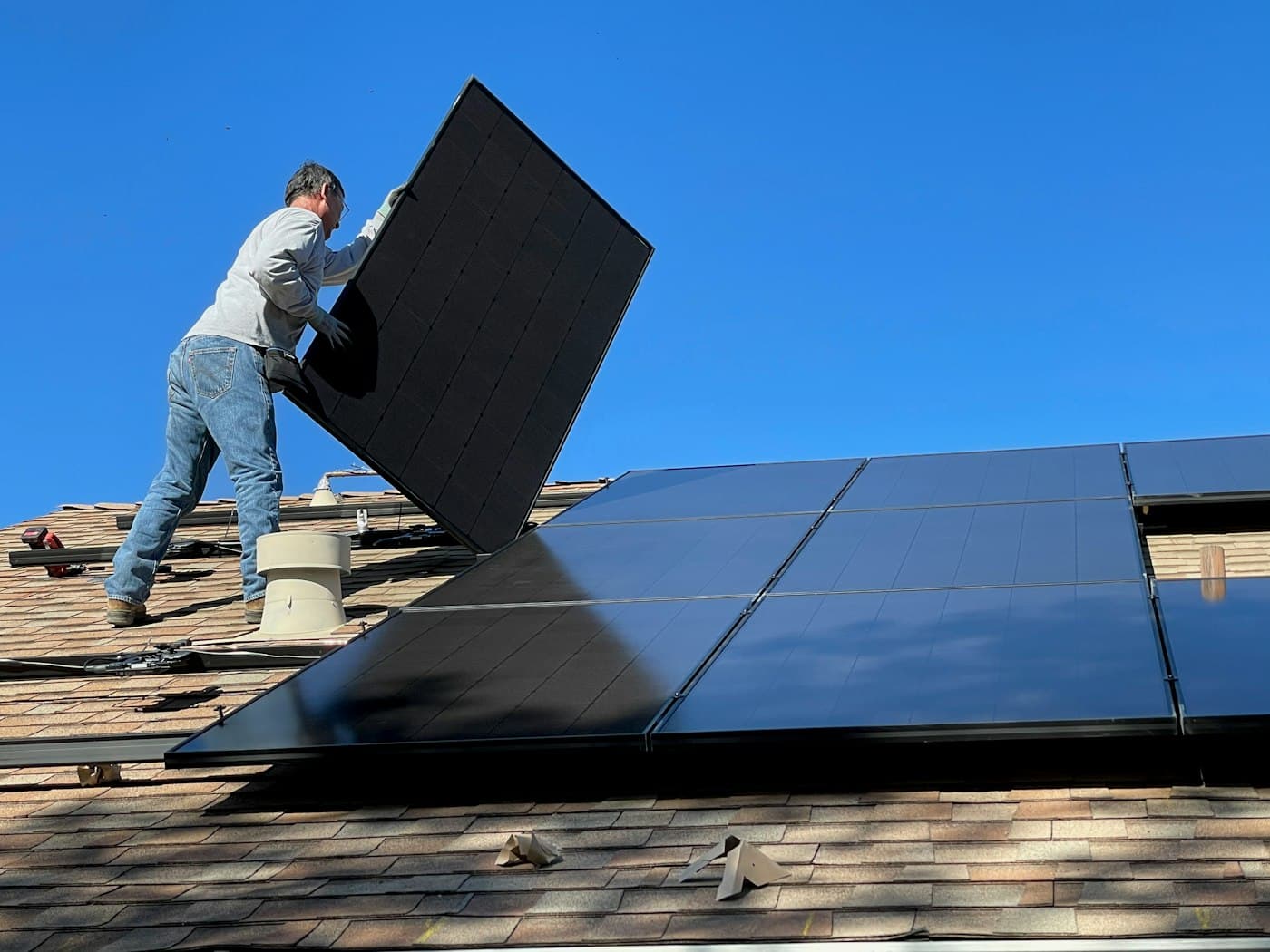 Solar panelsExpected generation and payback for your roof and region.Installed cost£8,000–£10,000
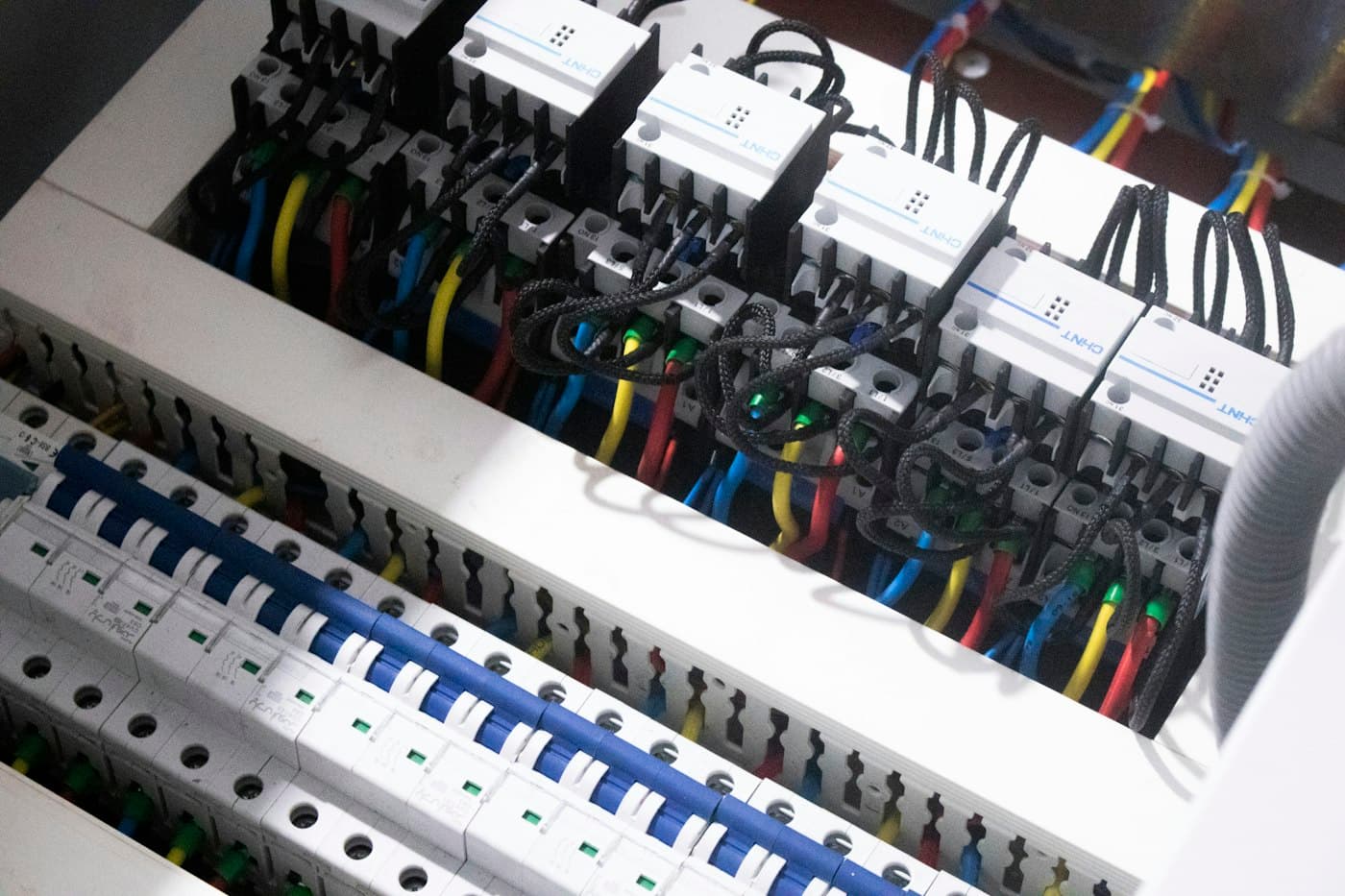 Home batteriesHow much you could store, and save, on your tariff.Installed cost£3,500–£8,000Illustrative. A placeholder until quote data arrives.EPC method: £500–£5,000
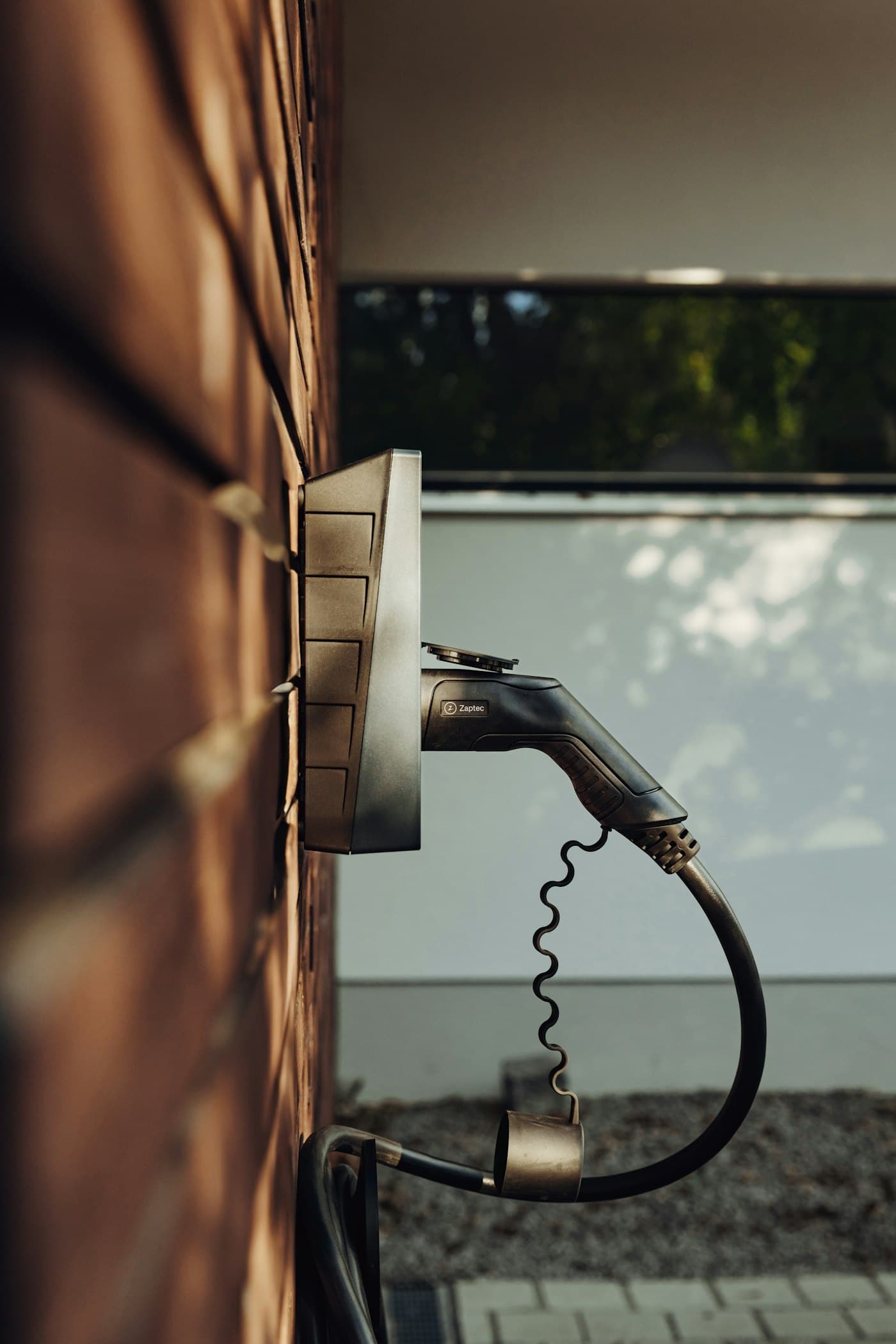 EV chargersHome charging costs, installation and smart tariffs.Installed cost£800–£1,400Illustrative. A placeholder until quote data arrives.
- Plug-in solarAn 800 W kit on a balcony, wall or garden stand that plugs into a socket. No roof or installer needed.An 800 W kit facing south makes, a year793 kWh
The data behind this page
Every guide's headline figures
The three numbers each guide opens with, and the energy certificate method's cost for the measure behind it. A figure marked illustrative is a placeholder showing what the guide will hold.
| Upgrade | Headline figures | EPC method |
|---|---|---|
| Heat pumps |
| Heat pump£5,000–£30,000Given in 100% of 7,737 recommendations |
| Boilers |
| Condensing boiler£2,200–£3,500Given in 86% of 89,727 recommendations |
| Heating controls |
| Heating controls£220–£250Given in 100% of 104,219 recommendations |
| Solar panels |
| Solar panels£8,000–£10,000Given in 98% of 947,726 recommendations |
| Home batteries |
| Battery£500–£5,000Given in 100% of 6,175 recommendations |
| EV chargers |
| Not a measure the method prices |
| Insulation |
| Cavity wall insulation£900–£1,500Given in 100% of 218,086 recommendations |
| Windows & doors |
| Double glazing£4,500–£6,000Given in 100% of 74,667 recommendations |
Illustrative. A headline figure marked illustrative is a placeholder showing what the guide will hold; real ranges arrive with the quote data behind them.
The EPC method's figure is real: the indicative range the energy certificate method puts on that measure, from certificates lodged in the year to 9 September 2026. It is the same for every home, so it is a guide rather than a quote.
Costs by upgrade, home and regionWhat should your home do first?
The right order depends on the property. Start with your postcode and we'll work from what is already known about it.