Heat pumps: what they cost, what they save and whether one suits your home
A heat pump is the biggest heating decision most homes will make this decade. Whether it works out depends on your radiators, your insulation and your tariff — not on the brochure figures.
We'll tell you whether it suits your property before anyone tries to sell you one.
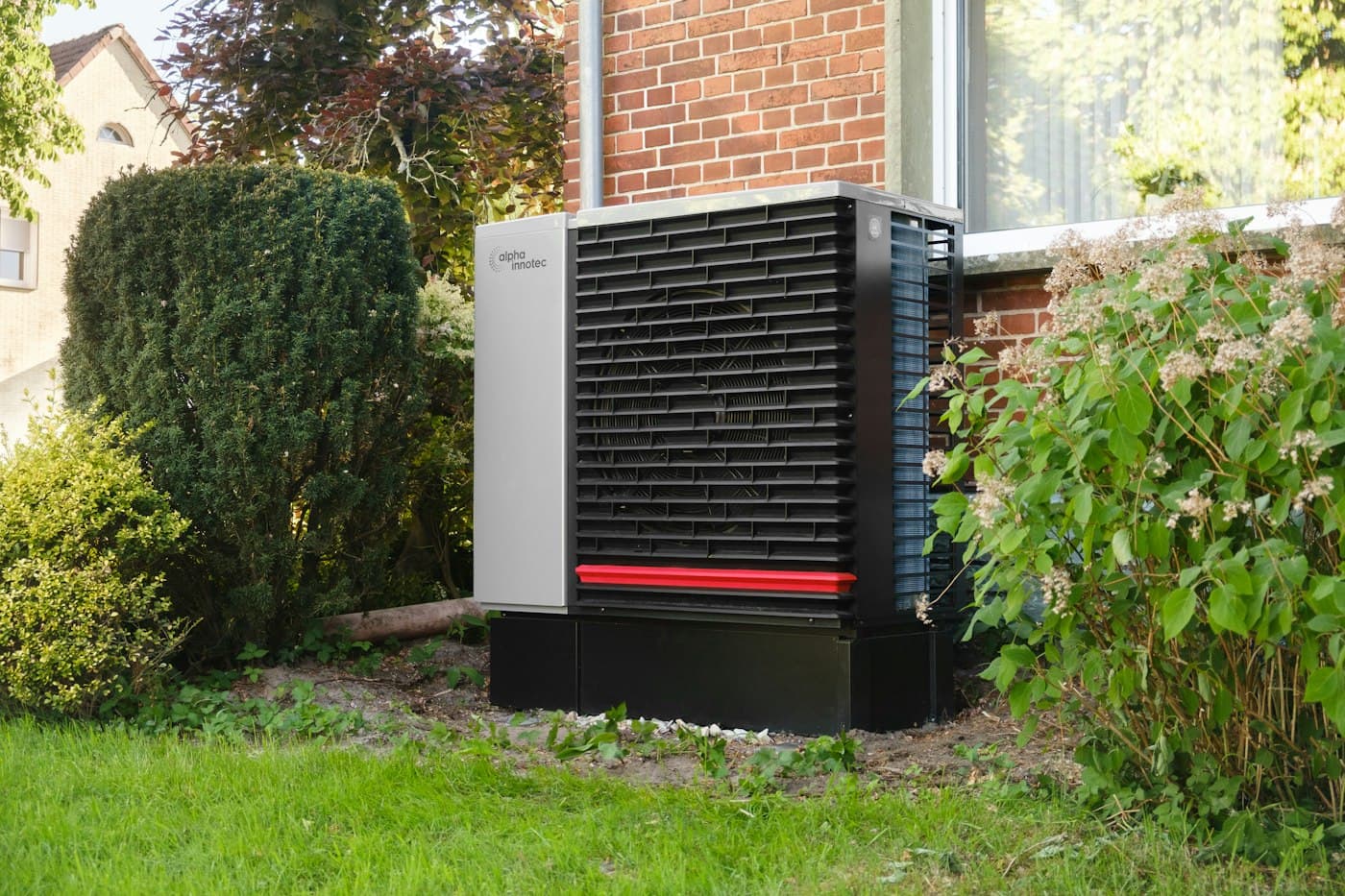
Installed cost
£11,128–£15,627
The middle half of Boiler Upgrade Scheme air source jobs, quarter from Apr 2026
After grant
£5,408
The median job of £12,908, less the £7,500 grant
Running cost vs gas
−20% to +4%
On the cap's unit rates, at a seasonal efficiency of 2.7 to 3.5 against an 85% efficient boiler
Typical lifespan
15–20 years
Against 10–15 for a gas boiler
Illustrative. Typical lifespan is a placeholder. The rest are worked out from published data, as their notes say.
The short answer
Fitted to an insulated house by an installer who did the heat loss calculation properly, a heat pump is the right long-term heating answer. Dropped into a draughty home on a standard tariff, it will cost more to run than the boiler it replaced.
We don't sell heat pumps, and no installer pays to appear here. If the answer for your home is no, the page will say so.
Usually worth it if
- Off-grid home heated by oil or LPG
- Already insulated semi with generously sized radiators
- Boiler nearing the end of its life, with time to plan
Probably not yet if
- Uninsulated solid-wall house with nothing done to the fabric
- Combi flat with no room for a hot water cylinder
- Boiler failed in midwinter with no survey done
What does it cost to run?
A year's heating on a heat pump against the gas boiler it replaced, at Ofgem's published cap rates, by region and by how well the system is set up.
Read itWhat does the grant pay?
The Boiler Upgrade Scheme's amount, who qualifies, and what installers have actually charged for the jobs it funded.
Read itWhat has to come first?
A heat pump sized for an uninsulated house is a bigger, more expensive one running hotter. What the register says is still missing from homes like yours.
Read it
Costs
What it costs
A heat pump is priced on the heat the house loses, not its floor area, so the size of the unit is the biggest single lever on the bill. The costs below are the median the Boiler Upgrade Scheme's installers reported at each size — real jobs, with the grant still in the price. Which size suits a home is our reading of it, not a published figure.
A flat, or a small well-insulated terrace
4 kW to 6 kW, 4,206 jobs in 2025/26
Median installed cost
£11,494
A 3-bed semi that is already insulated
6 kW to 8 kW, 8,054 jobs in 2025/26
Median installed cost
£12,164
A 3-bed semi, or a small detached house
8 kW to 10 kW, 8,526 jobs in 2025/26
Median installed cost
£12,686
A solid-walled semi, or a larger house
10 kW to 12 kW, 3,994 jobs in 2025/26
Median installed cost
£13,943
A 4-bed detached, or a house off the gas grid
12 kW to 14 kW, 2,824 jobs in 2025/26
Median installed cost
£15,365
Illustrative. The installed costs are the median the Boiler Upgrade Scheme's installers reported at each size, England and Wales, 2025/26. The grant is still in them: take £7,500 off for what a household pays. What size suits a home is our reading of it, and the bill turns on the design as much as the unit.
The homes
What the certificates say about heat pumps
Every energy certificate in England and Wales records what the assessor found and lists what would raise the rating. Counted up, they show how many homes are still waiting for this.
Homes off the gas grid
16.1%
Where a heat pump replaces the dearest fuels
Heated by a heat pump
1.6%
Of homes, as the main heating
Certificates recommending one
Under 0.1%
Of homes; only certificates from 2025 on suggest it
| Measure | Recommended to | The EPC method's cost |
|---|---|---|
| Heat pump | Under 0.1% of homes | £5,000–£30,000 |
From the EPC register to 9 September 2026, each home's latest certificate, England and Wales. A certificate recommends what would raise its rating, by the rules of the year it was lodged. The method's cost is the range the middle recommendation was given, the same for every home: a guide, not a quote.
Grants
What you can claim, nation by nation
Heat pump support differs in each UK nation, and the amounts change. We will show the figure that applies to your address, the date it was last checked, and a link to the scheme rules.
England and Wales
- Boiler Upgrade Scheme
- ECO4
- 0% VAT on installation
The Boiler Upgrade Scheme pays a fixed grant towards an air or ground source heat pump, claimed by your MCS-certified installer and taken off the quote. Low-income households may qualify for more through ECO4.
Scotland
- Home Energy Scotland grant and loan
- Warmer Homes Scotland
Home Energy Scotland runs its own grant, topped up with an interest-free loan, with a rural uplift for eligible postcodes. Warmer Homes Scotland covers households in fuel poverty.
Northern Ireland
- NI Sustainable Energy Programme
- Affordable Warmth Scheme
There is no direct equivalent of the Boiler Upgrade Scheme. Support runs through supplier-funded schemes and is targeted at lower-income households, so the economics of a heat pump look different here.
Scheme rules change. Each one will carry the date we last checked it against Ofgem and GOV.UK.
Your property
Will it suit your home?
The answer turns on how your home was built, not on what the product can do in a brochure.
Heat loss comes first
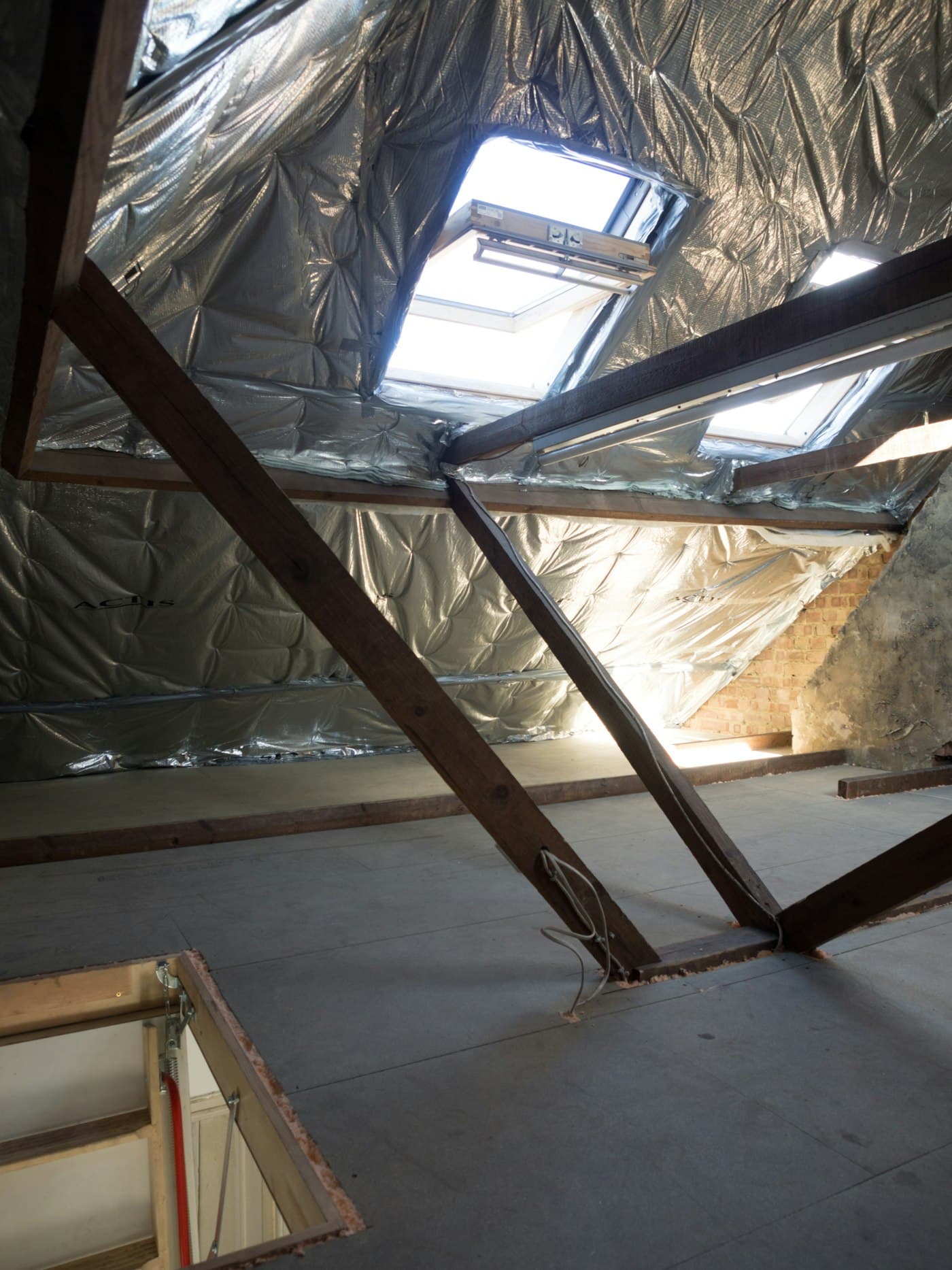
A heat pump has to replace the heat your home loses on the coldest day. Loft and cavity insulation, and draught-proofing, cut the size of unit you need and the price with it.
Radiator temperature
Heat pumps run efficiently at 35–45°C rather than the 65–75°C a boiler uses. Some radiators can stay; the undersized ones have to grow or be replaced.
Somewhere to put it
The outdoor unit needs a wall or ground position with airflow and a route for pipes. Most installations are permitted development, but conservation areas, flats and listed buildings have extra rules.
Hot water storage
Combi boiler homes usually need a cylinder fitting, which takes an airing cupboard's worth of space and adds to the cost.
Your electricity tariff
Running cost swings more on tariff than on hardware. A heat pump tariff with cheap overnight units can turn a break-even job into a saving.
Who fits it
The grant requires an MCS-certified installer, and design quality decides whether the system hits the efficiency on the label.
In progress
What lands on this page next
Some of this page is built from published data now. Still to come, in order:
- Cost bands from real quotes, by property type and region
- Measured performance from monitored UK installations, not lab figures
- A running-cost comparison against your current fuel and tariff
- Which grant applies at your address, and what it leaves you to pay
- The radiator and insulation work a home like yours usually needs first
Where the answers come from
- EPC Register — heat demand and fabric for your property type
- Ofgem and GOV.UK — grant rules and current amounts
- Monitored field trials — measured seasonal efficiency in UK homes
Questions
Common questions
Will a heat pump work in an old house?
Yes, provided the system is designed for the heat loss of that building. Older homes usually need more insulation work and larger radiators than a modern one, which shows up in both the price and the running cost.
Is a heat pump cheaper to run than a gas boiler?
It depends on the efficiency the system achieves and the price you pay per unit of electricity against gas. A well-designed system on a heat pump tariff can be cheaper; a poorly designed one on a standard tariff usually is not.
Do I need planning permission for a heat pump?
Most domestic air source heat pumps are permitted development in the UK if they meet limits on size, siting and noise. Listed buildings, conservation areas and flats have additional restrictions, and the rules differ between the four nations.
Do I have to replace all my radiators?
Rarely all of them. A room-by-room heat loss calculation shows which radiators are already big enough for lower flow temperatures and which are not. Expect some to change rather than the whole system.
How long does an installation take?
A straightforward swap is usually two to four days on site, longer if pipework, radiators or a new cylinder are involved. The survey and design happen weeks earlier and matter more to the outcome.
How do I find a good heat pump installer?
Look for MCS certification, ask for the heat loss calculation and the design flow temperature in writing, and compare at least three quotes. MCS publishes a certified-installer search, and the certification body named on a quote will confirm whether it is current.

See whether heat pumps suit your home
Start with your postcode and we'll work from what is already known about the property.