Skip to content
House Roadmap
Get quotes

Home upgrades in Cardiff

On the certificates' own estimate, Cardiff's homes are the cheapest in Wales to heat and power: £867 a year for the middle home, against £1,004 for the typical UK council, 41st lowest of 361. The Welsh capital also has the most efficient homes in Wales, with a median score of 70, and the highest share of flats. That is a good starting point, but it leaves more of the work in the hands of landlords than anywhere else in the country.

households
147,300householdsDESNZ, 2024
median rating
C · 70median ratingJoint 46th highest of 361
rated C or better
54%rated C or betterThe middle council: 48%
have a certificate
87%have a certificateRegister to 9 September 2026
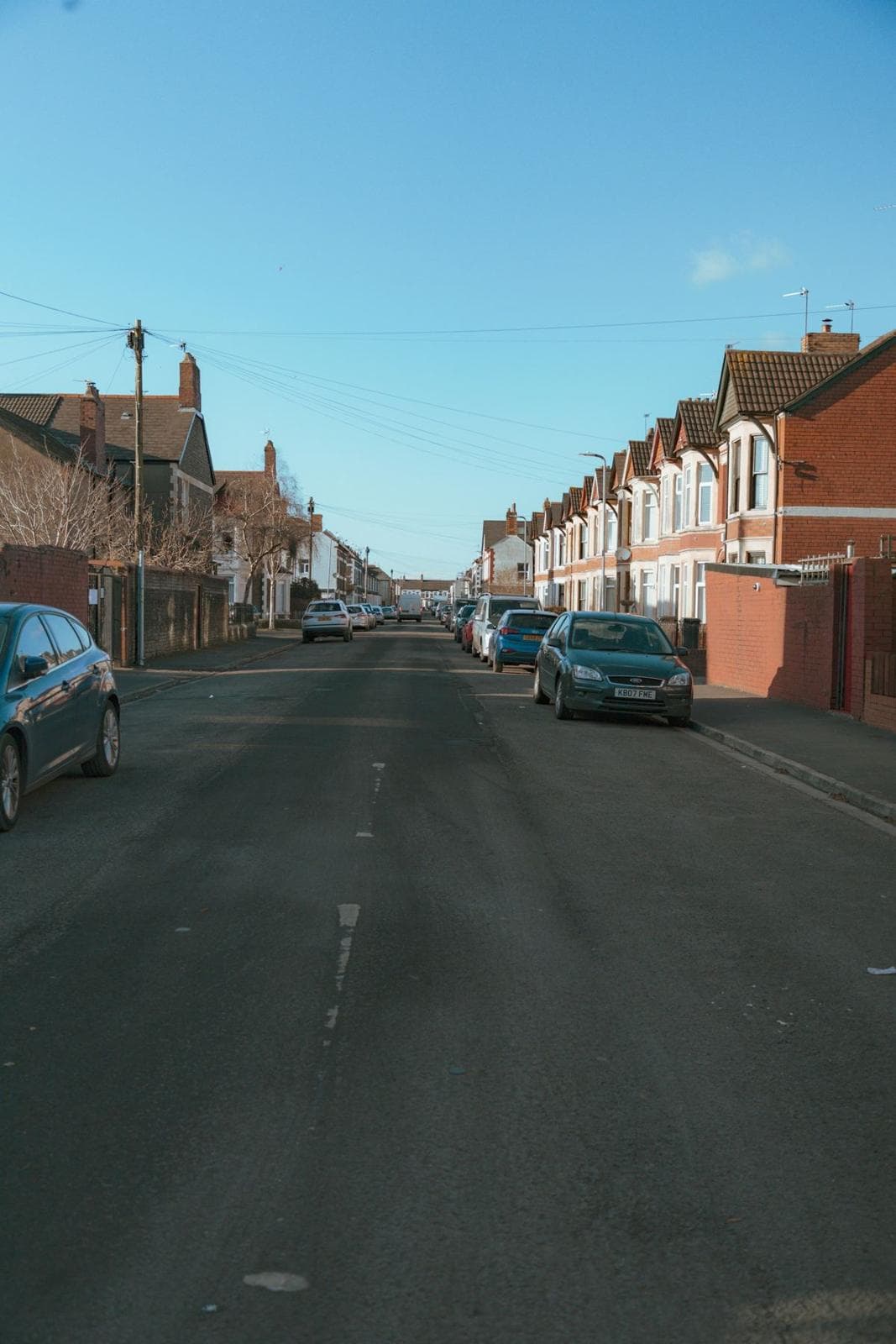
A long residential street of bay-fronted terraced houses with cars parked along the kerb
Cardiff. Photo: Callum Blacoe, Unsplash
  • £867Energy cost a year, per homeThe lowest in Wales
  • 29%Privately rentedThe highest in Wales
  • 54%Terraced59th highest of 361 councils

What sets it apart

What makes Cardiff different

Of every measure we hold for the UK's councils, these are the ones where Cardiff sits furthest from the middle, and what each means if you live here.

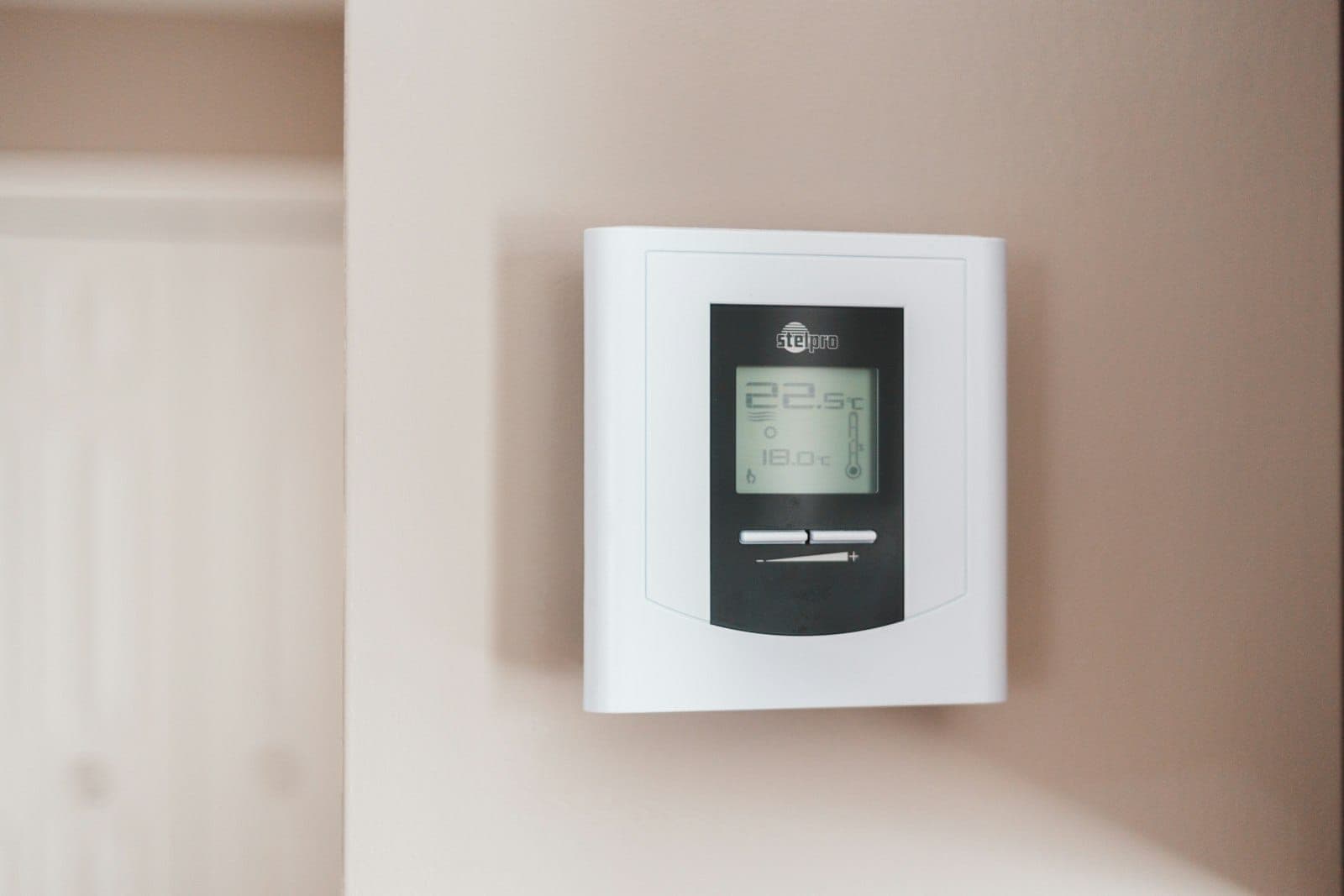
A white digital room thermostat on a pale wall, its screen reading 22.5°C with 18.0°C beneath

Energy cost a year, per home

£867

41st lowest of 361 UK councils

Running costs

Cheaper to run than most

The certificates put the cost of heating and powering the middle Cardiff home lower than anywhere else in Wales, where the middle council's estimate is about £1,053. Newport, at £874, is the only neighbour close. Flats and newer homes lose less heat, and Cardiff has plenty of both. A low estimate doesn't mean nothing is left to do, though: it means the savings per home are smaller, so the cheap jobs matter most.
  1. Cardiff£867
  2. Vale of Glamorgan£994
  3. Rhondda Cynon Taf£1,065
  4. The middle UK council£1,004
Two neighbouring front doors, one green and one red, up iron-railed steps on a brick terrace

Privately rented

29%

44th highest of 361 UK councils

Who owns it

If you rent, talk to your landlord

More of Cardiff's homes are privately rented than in any other Welsh council, against 19.8% in the Vale of Glamorgan and 11% in Newport. Only 51.4% are owner-occupied, the lowest in Wales. Tenants need their landlord to agree to insulation or new heating, and a private landlord has to meet minimum energy rules to let a home, so it's worth raising early, especially if your home is cold or damp.

  1. Cardiff29%
  2. Vale of Glamorgan20%
  3. Rhondda Cynon Taf19%
  4. The middle UK council18%
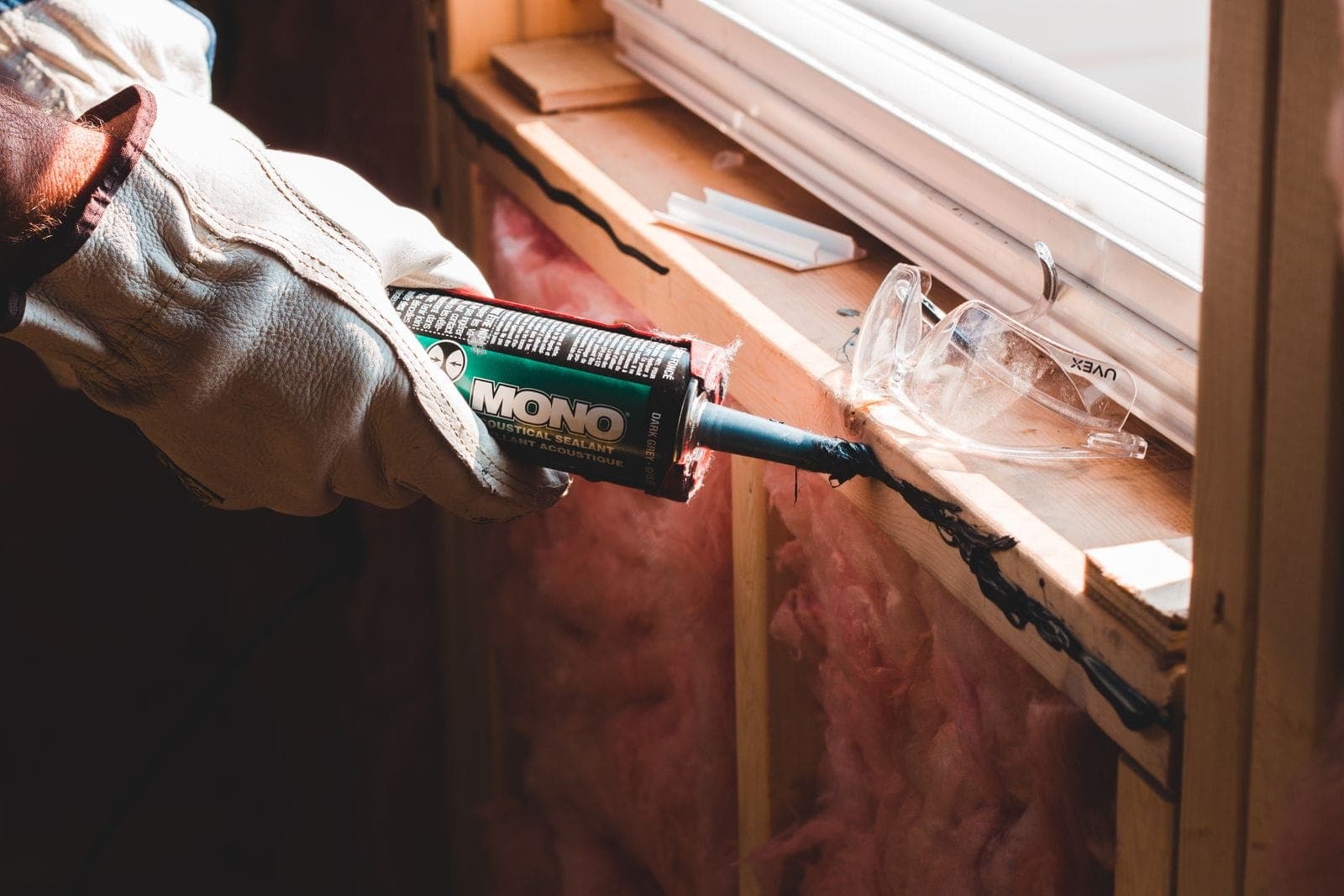
A gloved hand running a bead of acoustic sealant along a timber window sill, with safety glasses resting on the sill

Median EPC score

70

Joint 46th highest of 361 UK councils

Ratings

A good score, not a finished job

Cardiff's median score of 70 is the best in Wales, where the middle council scores 67.5. Yet 24.1% of lofts here have under 100 mm of insulation, third highest in Wales, and 31.2% of cavity walls are still empty. Topping up a thin loft and filling an empty cavity are the two cheapest big wins going, so if your home has either, start there before thinking about new heating.

  1. Cardiff70
  2. Vale of Glamorgan69
  3. Rhondda Cynon Taf66
  4. The middle UK council68

Against the rest

Where Cardiff sits among 361 councils

The measures where Cardiff sits furthest from the middle. Each strip runs from the lowest council in the UK on the left to the highest on the right, in tenths, and the marked tenth is Cardiff. The green cards are its standouts.

  • Running costs

    Energy cost a year, per home

    £867

    41st lowest of 361. The middle council: £1,004.

  • Who owns it

    Privately rented

    29%

    44th highest of 361. The middle council: 18%.

  • Type of home

    Terraced

    54%

    59th highest of 361. The middle council: 37%.

  • Ratings

    Median EPC score

    70

    Joint 46th highest of 361. The middle council: 68.

  • Solar

    Solar installations per 10,000 households

    401

    Joint 81st lowest of 361. The middle council: 596.

  • Type of home

    Bungalows

    2.8%

    Joint 42nd lowest of 361. The middle council: 9%.

  • Who owns it

    Owner-occupied

    51%

    Joint 54th lowest of 361. The middle council: 64%.

  • Type of home

    Flats and maisonettes

    37%

    Joint 60th highest of 361. The middle council: 21%.

Show all 25 measures
The rest of Cardiff's measures, with where each ranks among UK councils
MeasureCardiffThe middle council
Rated C or better54%48%
Built before 193026%18%
Built since 200321%20%
Detached16%28%
Socially rented20%17%
Lofts under 100 mm24%20%
Solid walls uninsulated92%88%
Cavity walls left empty31%26%
Some single glazing8.2%8.4%
Heated by oil0.1%1.1%
Heated by electricity15%11%
Heat pumps per 10,000 homes67125
Heat pump grants per 10,000 households1831
Off the gas grid13%14%
Solar yield, south-facing roof1,046 kWh1,006 kWh
Hours of sunshine a year1,591 hours1,548 hours
Saving if the certificates' advice were done£211£245

Housing figures are from each nation's EPC register, whose assessors don't all work to the same method, so comparisons across a border are rougher than those within one.

Next door

Cardiff against its neighbours

The councils that share a border with it, on the measures Cardiff stands out on, and the middle council in the UK for scale.

Map of Cardiff and the councils around it, each shaded by the median energy rating of its homes.Vale of Glamorgan: median CRhondda Cynon Taf: median DCaerphilly: median DNewport: median CCardiff: median C

Cardiff

© OpenStreetMap contributors

  • A
  • B
  • C
  • D
  • E
  • F
  • G
Cardiff, outlined, and the councils around it, each shaded by the median rating of its homes on the EPC register.
Cardiff and the councils around it, on the measures it stands out on
CouncilEnergy cost a year, per homePrivately rentedTerraced
Cardiff£86729%54%
Vale of Glamorgan£99420%41%
Rhondda Cynon Taf£1,06519%56%
Caerphilly£98413%43%
Newport£87411%46%
The middle UK council£1,00418%37%

What the neighbours show

Cardiff sits between four councils and looks more like a city than any of them. It has more flats than the Vale of Glamorgan, Rhondda Cynon Taf, Caerphilly or Newport, and far more private renting. It also trails all four on solar, with 401 installations per 10,000 households against 605 in the Vale of Glamorgan.

What needs doing

What the certificates in Cardiff say

The certificates find the usual gaps here, a little more often than the typical council: 24.1% of lofts under 100 mm and 31.2% of cavity walls empty. Of homes with solid walls, 91.5% are uninsulated. The certificates reckon their advice would save £211 a year on their estimate, second lowest in Wales, because the homes start from a better place.

  • Cavity walls still empty

    31.2%

    Against 25.9% across England and Wales

  • Lofts under 100 mm

    24.1%

    Against 22.1% across England and Wales

  • Any single glazing

    8.2%

    Against 10.7% across England and Wales

  • Off the gas grid

    13.2%

    Against 16.1% across England and Wales

What the certificates recommend

Share of homes whose latest certificate recommends each measure.

  1. Solar panels59.8%
  2. Solar water heating48%
  3. Floor insulation44.8%
  4. Low energy lighting36%
  5. Solid wall insulation24%
  6. Heating controls20.1%
  7. Cavity wall insulation19.9%
  8. Condensing boiler19.9%

A certificate recommends what would raise its rating, which isn't always what would save the most. Older certificates recommend by older rules.

Heating, hot water and lighting

£867a year, on average

Today
£867
All done
£656
With every recommendation done
£656
Difference
£211 a year
England and Wales average
£981

The certificate's own estimate, at standard occupancy and at the fuel prices its method used when it was lodged, not today's prices or anyone's actual bill.

From the EPC register to 9 September 2026, each home's latest certificate. Walls, lofts and glazing are as the assessor found or assumed them, so work done since a home's last certificate doesn't show.

The housing

What Cardiff is built from

Cardiff has the most flats in Wales, at 37.2% of homes, and the fewest bungalows. A quarter of homes, 25.6%, were built before 1930, fewer than the middle Welsh council, and 21.1% since 2003. With 28.8% privately rented and 19.8% socially rented, many households need a landlord's agreement for any upgrade.

When it was built

Share of homes by construction period.

  • Before 19006.6%
  • 1900-192919%
  • 1930-194910%
  • 1950-196614%
  • 1967-19758.5%
  • 1976-19824.6%
  • 1983-19905.8%
  • 1991-200210%
  • 2003-20119.9%
  • 2012 onwards11%

Anything built before 1930 is almost certainly solid walled. Anything after 1990 has insulation in the cavity as built.

What type of home

Share of homes by property type.

  • House60%
  • Flat36%
  • Bungalow2.8%
  • Maisonette1.5%
  • Other0%

Flats are the hardest to improve: no roof of your own, nowhere for a cylinder, and a freeholder in the way.

How it is joined to its neighbours

Share of homes by built form.

  • Mid-terrace36%
  • Semi-detached30%
  • Detached16%
  • End-terrace15%
  • Other3.7%

Every shared wall is one that loses no heat, which is why a mid-terrace needs a smaller heat pump than a detached house of the same floor area.

How it is heated

Share of homes by main heating fuel.

  • Mains gas83%
  • Electricity15%
  • Community0.8%
  • None0.2%
  • Other0.3%

Off-grid homes on oil or LPG pay the most per unit of heat, and gain the most from changing the system.

Who lives there

Share of homes by tenure, as the certificate recorded it.

  • Owner-occupied51%
  • Rented (private)29%
  • Rented (social)20%

Owners decide for themselves; tenants need a landlord to agree, and social landlords upgrade in whole estates. 20% of certificates don't say, and are left out.

What the walls are

Share of homes by wall construction and insulation.

  • Cavity, filled38%
  • Cavity, partly filled2.1%
  • Cavity, empty15%
  • Solid, insulated2%
  • Solid, uninsulated22%
  • Built to a modern standard11%
  • Timber, system built or other9.9%

An empty cavity is the cheapest big fix in the country. A solid wall can only be insulated inside or out, at many times the price.

What is over the top floor

Share of homes by roof, and loft insulation depth.

  • Loft, no insulation8.8%
  • Loft, under 100 mm7.5%
  • Loft, 100 to 199 mm18%
  • Loft, 200 mm or more29%
  • Loft, depth not recorded4.7%
  • Flat roof, roof rooms or thatch2.6%
  • Built to a modern standard7.1%
  • Another home above23%

Current guidance is 270 mm in a loft. Anything under 100 mm is worth topping up before anything else.

From the EPC register to 9 September 2026: 127,929 homes with a certificate, each counted once from its latest. Homes that have never had one aren't included, and unknowns are left out of the shares.

Ratings

How Cardiff's homes rate

The median Cardiff home scores 70, band C, the highest in Wales and 46th highest of 361 UK councils. 53.9% of homes are rated C or better, third highest in Wales, against 44.6% for the middle Welsh council and 48.1% for the typical UK one.

C

Median today

B

Median potential

Homes in band C or better53.9%

England and Wales 48.5%

A gloved hand running a bead of acoustic sealant along a timber window sill, with safety glasses resting on the sill

Band spread against England and Wales

Bars are Cardiff. The rule on each track is England and Wales for that band.

England and Wales average

  1. A0.4%
  2. B13.6%
  3. C39.9%
  4. D36.7%
  5. E8.5%
  6. F0.8%
  7. G0.2%

ONS figures for 2024, over homes with a certificate. The median score is from the EPC register.

Heat pumps and solar

What Cardiff is fitting

Cardiff has 67 heat pumps per 10,000 homes, close to its neighbours but well short of the middle Welsh council's 125.5. Solar is further behind, at 401 installations per 10,000 households, the fewest in Wales. That isn't the sun: a south-facing roof here makes 1,046 kWh a year for each kilowatt of panels, second highest in Wales.

Heat pumps per 10,000 homes

Cardiff: 67, joint 89th lowest of 361. The middle council: 125.

  1. Vale of Glamorgan77
  2. Cardiff67
  3. Caerphilly60
  4. Newport60
  5. Rhondda Cynon Taf58

Homes whose latest certificate names a heat pump as the main heating, per 10,000 homes with a certificate.

Solar installations per 10,000 households

Cardiff: 401, joint 81st lowest of 361. The middle council: 596.

  1. Vale of Glamorgan605
  2. Rhondda Cynon Taf575
  3. Caerphilly548
  4. Newport535
  5. Cardiff401

Solar installations of every size (DESNZ), per 10,000 households. A few are on businesses, not homes.

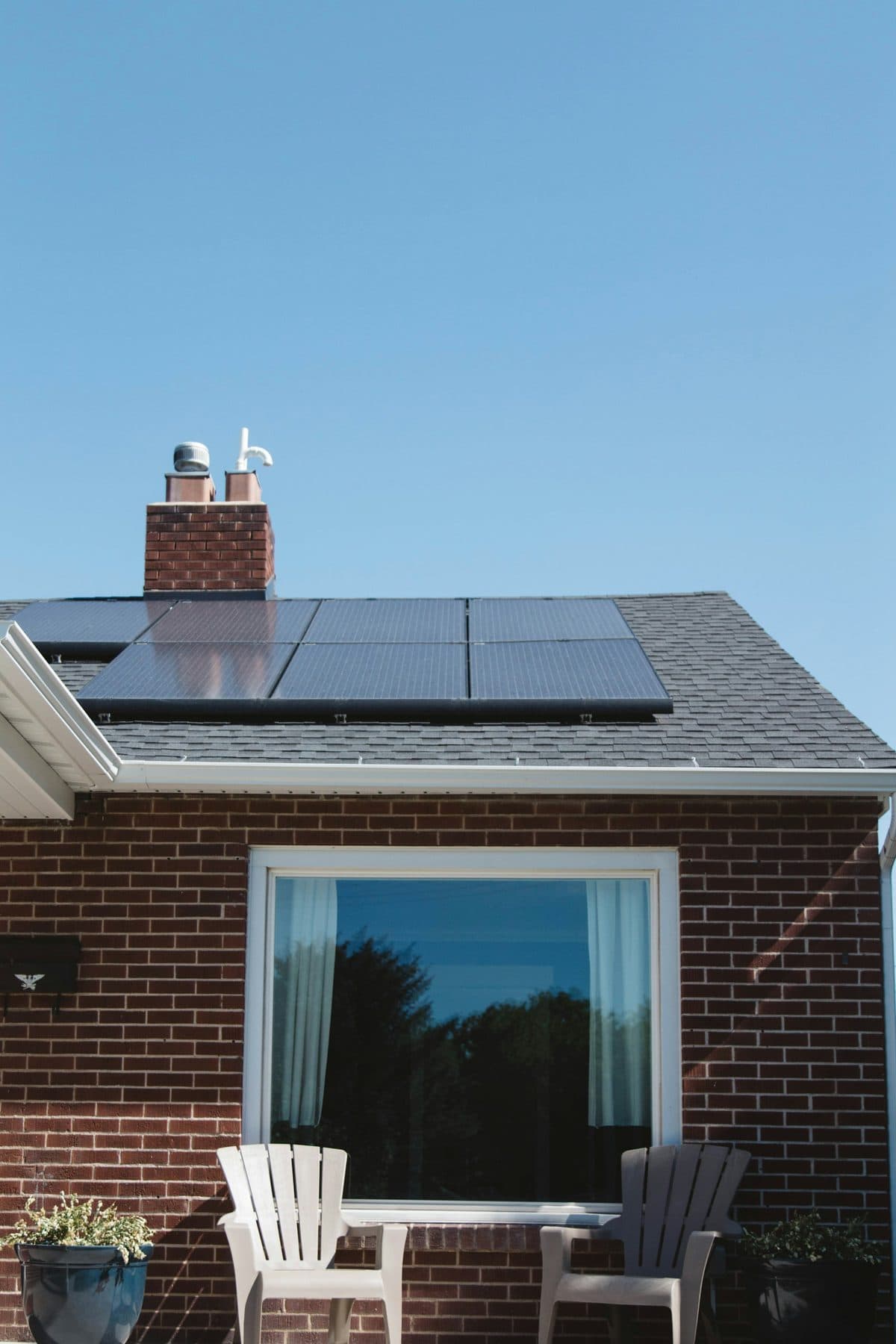
A brick bungalow with a row of solar panels on its roof and a chimney beside them, under a clear sky

Solar in Cardiff

A 4 kWp array on a roof here

What it makes a year by the way the roof faces, what that's worth at 26.3p a unit and 12p for exports, and how long it takes to cover the EPC method's £8,000–£10,000.

Solar generation, value and payback in Cardiff by roof direction
Roof facesMakes a yearWorth a yearPays back in
south4,183 kWh£71211–14 years
south-east3,905 kWh£66412–15 years
south-west3,965 kWh£67512–15 years
east3,262 kWh£55514–18 years
west3,339 kWh£56814–18 years

Generation is PVGIS for this council at a 35° pitch. The value assumes 35% is used in the house and the rest exported (Outgoing Octopus). The cost is the EPC method's standard figure, not a quote. How the payback is worked out.

Costs

What the work costs

These are national figures, not Cardiff ones. Nothing published gives installed cost by area, so we don't invent a local premium: labour, access, parking and travel do move the price, and we will show by how much when quote data can.

National installed costs by measure
MeasureTypical costWhere it comes from
Air source heat pump£11,128–£15,627Boiler Upgrade Scheme, middle half of jobs
Solar panels£8,000–£10,000EPC method
Cavity wall insulation£900–£1,500EPC method
Solid wall insulation£7,500–£11,000EPC method
New gas boiler£2,200–£3,500EPC method
Loft insulation£900–£1,200EPC method

The EPC method's figure is the range the middle recommendation was given — the same for every home, so a guide rather than a quote. The heat pump figure is what Boiler Upgrade Scheme installers reported, with the grant still in it.

Installers

MCS certified installers near Cardiff

145 certified installers based nearby say they cover Cardiff. Here are the nearest, favouring those with a website, including one who fits heat pumps under the Boiler Upgrade Scheme and one who fits solar.

  • Covering Cardiff

    145

    24 of them based in the council

  • Fit heat pumps

    43

    31 registered for the Boiler Upgrade Scheme

  • Fit solar panels

    128

  • Fit batteries

    87

From the MCS register, as it stood on 22 September 2026. Nobody pays to appear here. Certification says an installer may do the work, not how well they do it, so get three quotes against the same written scope. How to check an installer

Check your home

Enter your postcode and pick your address. We'll show what its energy certificate says, what would suit it and which grants apply.

Get quotes from installers

Free, from up to 3 installers who cover your postcode. They pay us a fee; you don't have to go ahead.

Questions

Upgrading a home in Cardiff

What households here ask most, answered from this council's own figures.

Is solar worth it in Cardiff?

Cardiff's roofs are among the best in Wales for it: a south-facing one makes 1,046 kWh a year for each kilowatt of panels, second highest of 22 Welsh councils. Even so, Cardiff has the fewest installations in Wales, at 401 per 10,000 households. The table on this page works out the payback for each roof direction.

I rent my home in Cardiff. Can it be upgraded?

Yes, with your landlord's agreement. 28.8% of Cardiff homes are privately rented, the highest share in Wales, and 19.8% socially rented. Private landlords have to meet minimum energy rules to let a home, and social landlords tend to work estate by estate.

Are homes in Cardiff energy efficient?

More than anywhere else in Wales. The median Cardiff home scores 70, band C, the highest in Wales, and 53.9% are rated C or better against 44.6% for the middle Welsh council.

What should I upgrade first in a Cardiff home?

Check the loft and the walls. 24.1% of Cardiff lofts have under 100 mm of insulation, third highest in Wales, and 31.2% of cavity walls are empty. Both are cheap to fix compared with new heating.

Are heat pumps common in Cardiff?

Not yet. Cardiff's certificates record 67 heat pumps per 10,000 homes, against 125 for the typical UK council, and the Boiler Upgrade Scheme has paid 18 grants per 10,000 households here, against 31.

Go from Cardiff to your own address

A council's figures are a starting point. A postcode gets the property's own record: its age, construction, current rating and what it could reach.